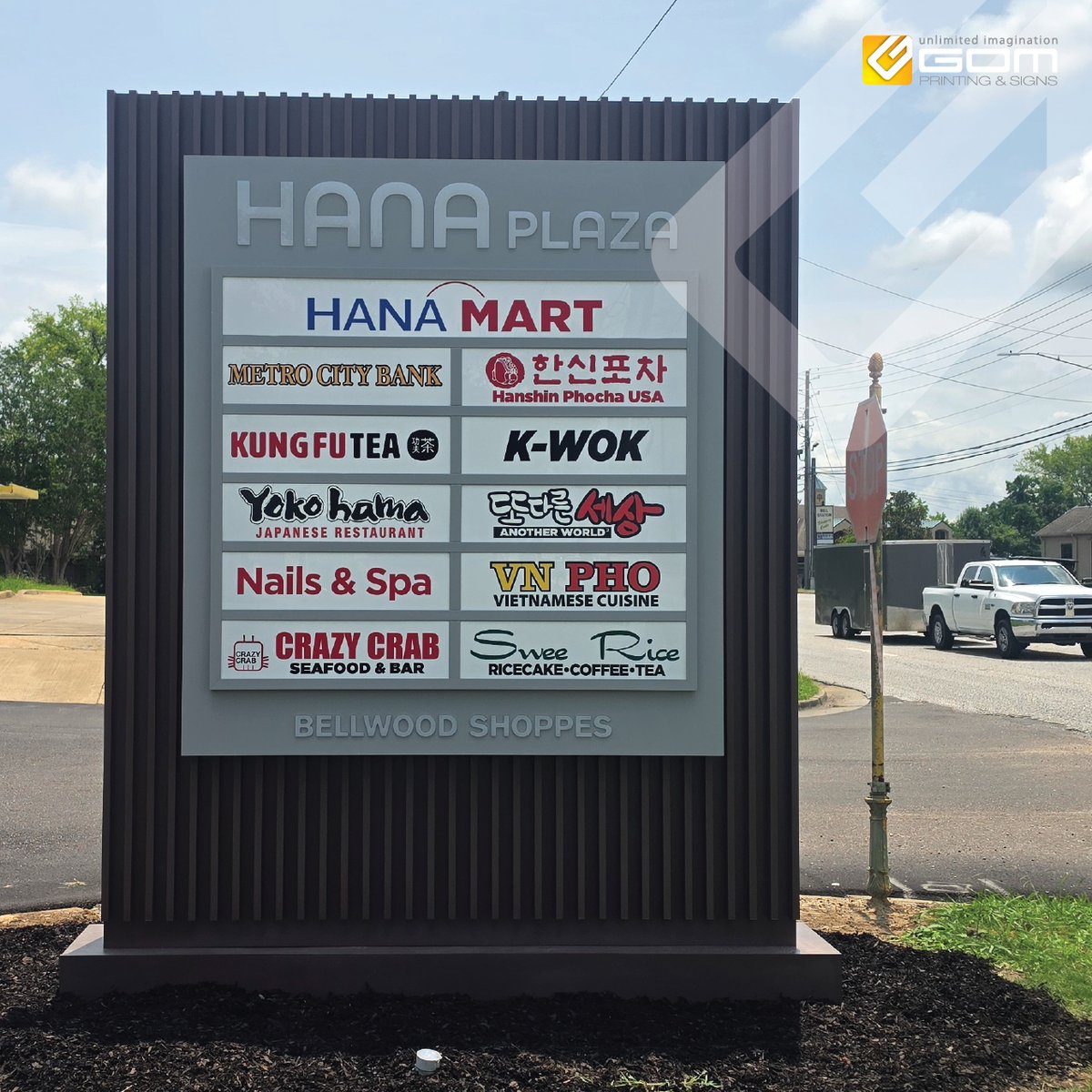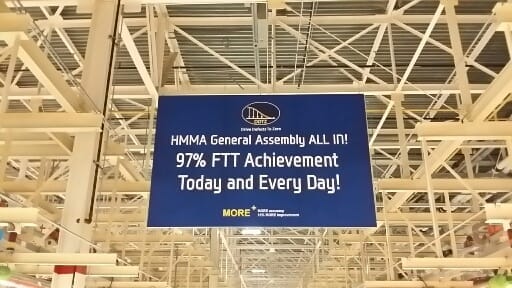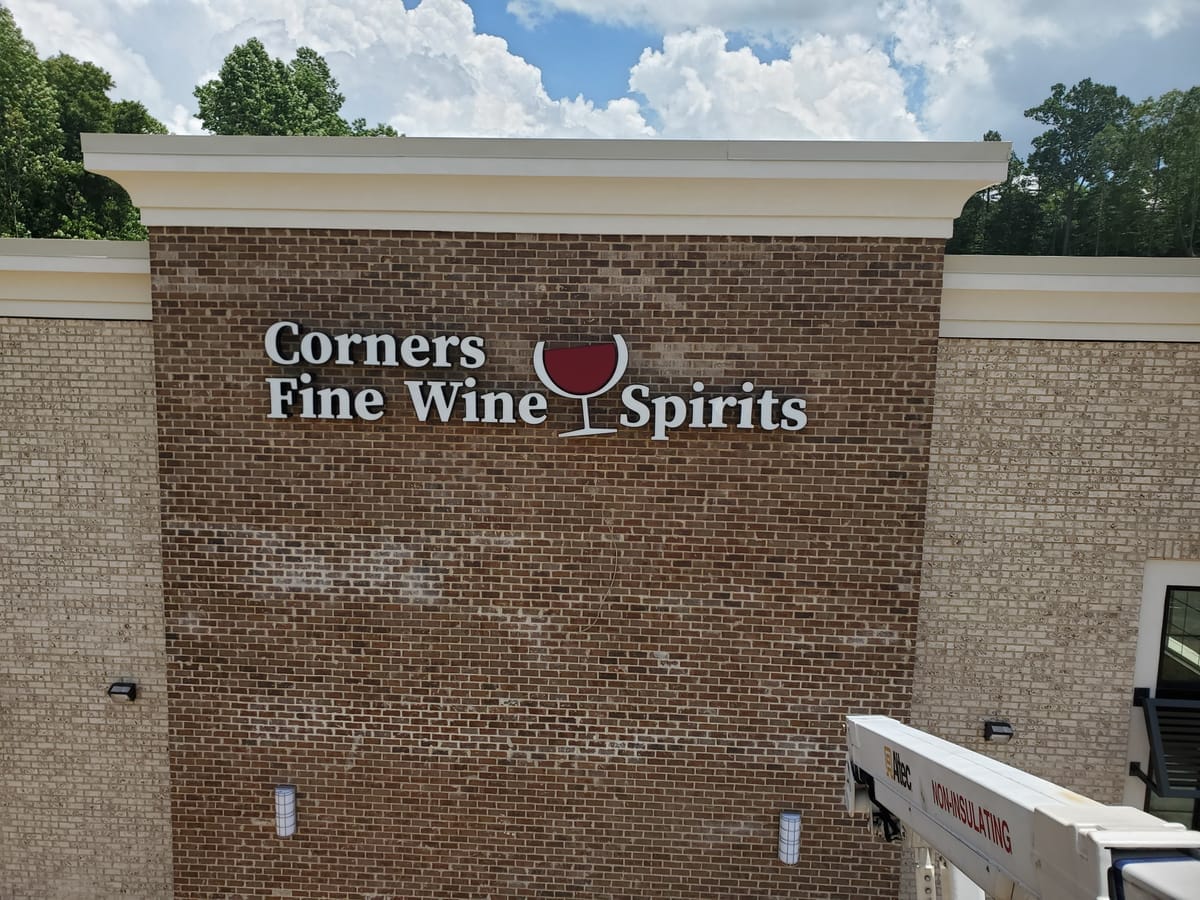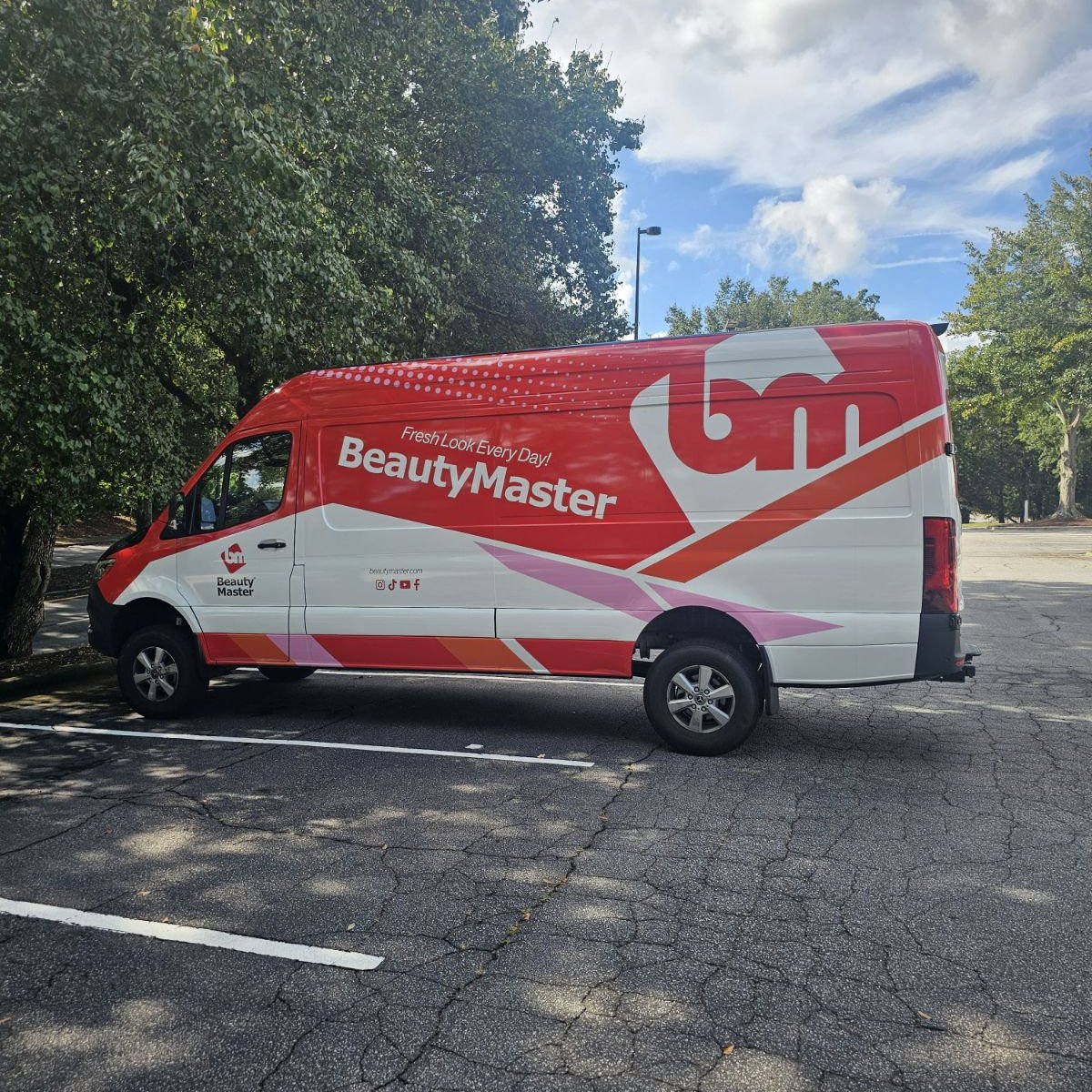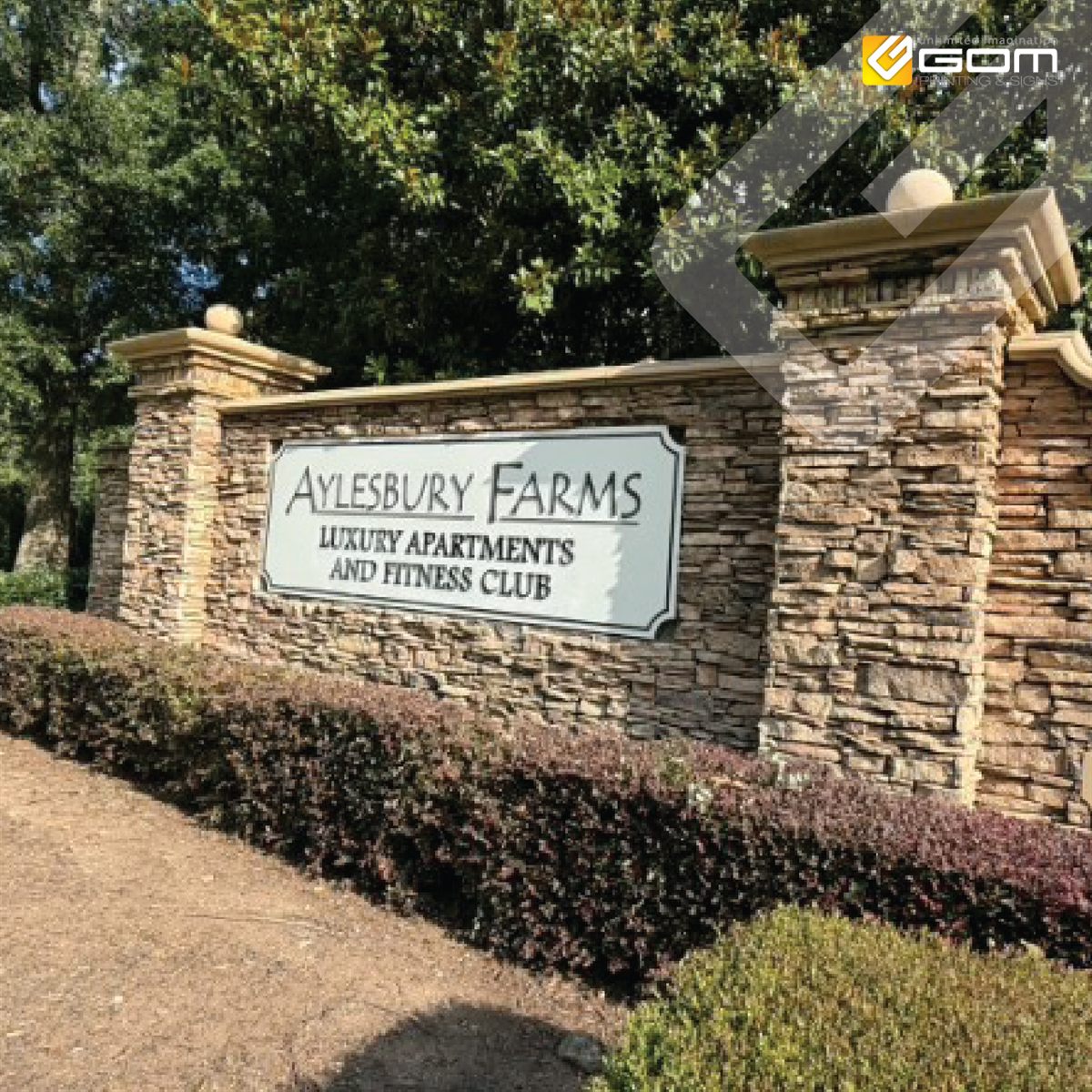
A monument sign is often the first thing a customer sees when pulling into your property. It establishes presence, reinforces your brand, and helps people find you. Unlike wall-mounted signs that rely on the building facade, a monument sign stands on its own — typically at the entrance of a parking lot, driveway, or campus. That independence gives you control over placement, size, and design in ways that other sign types cannot match.
Types of Monument Signs
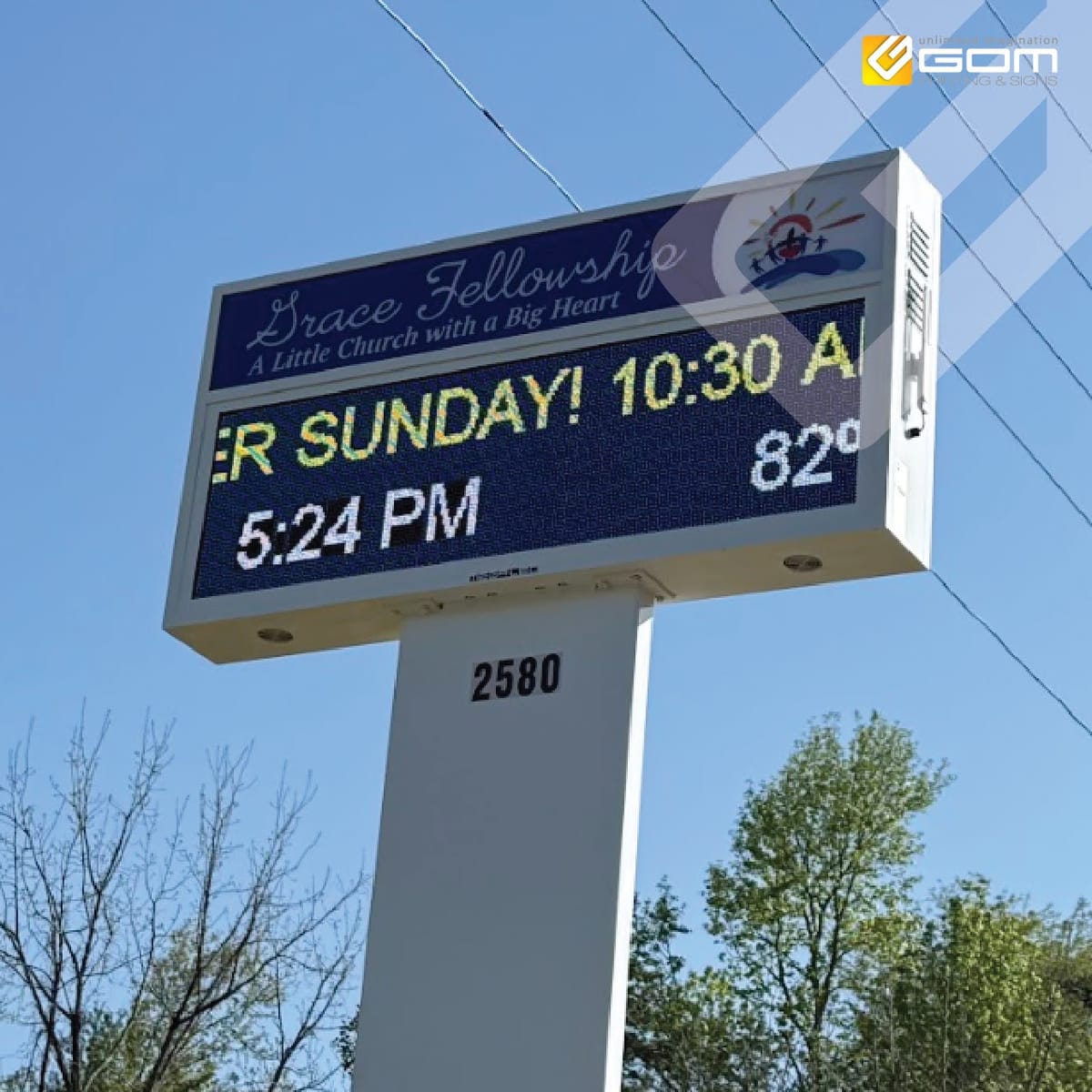
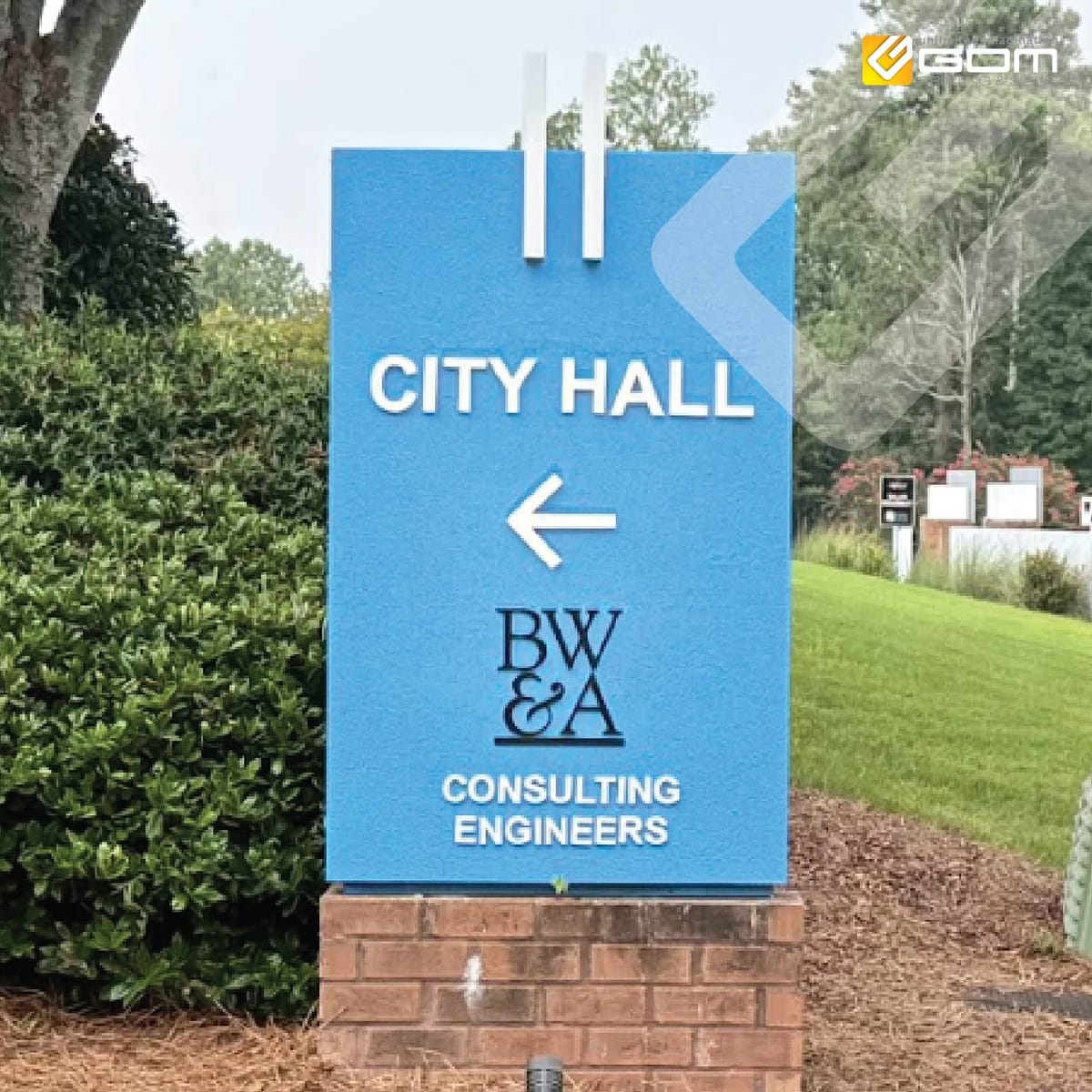
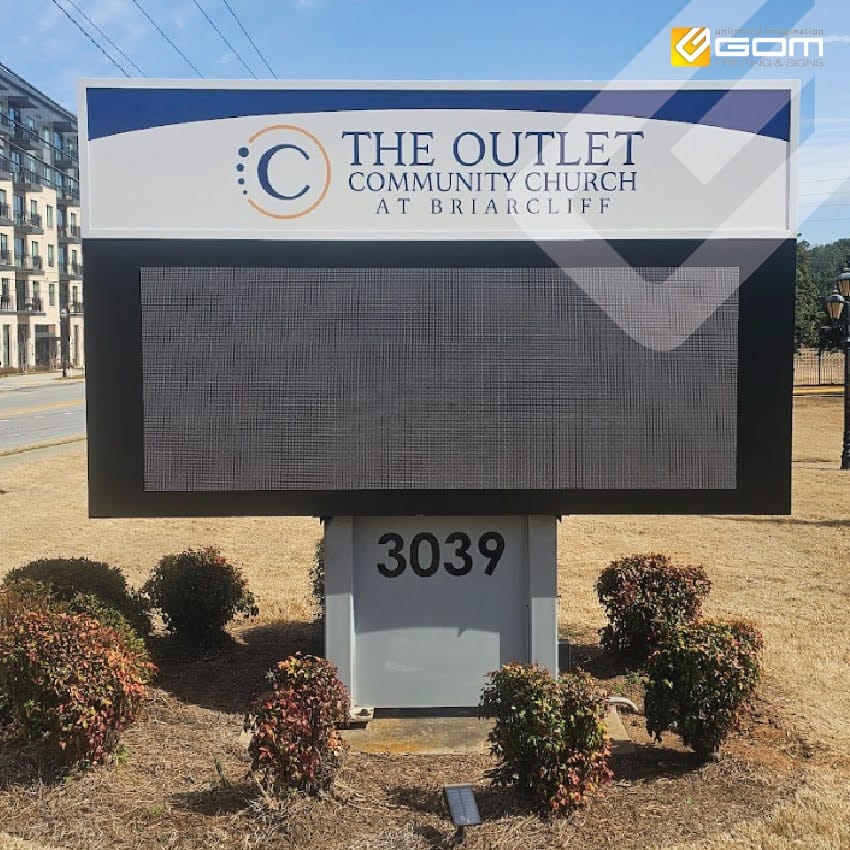
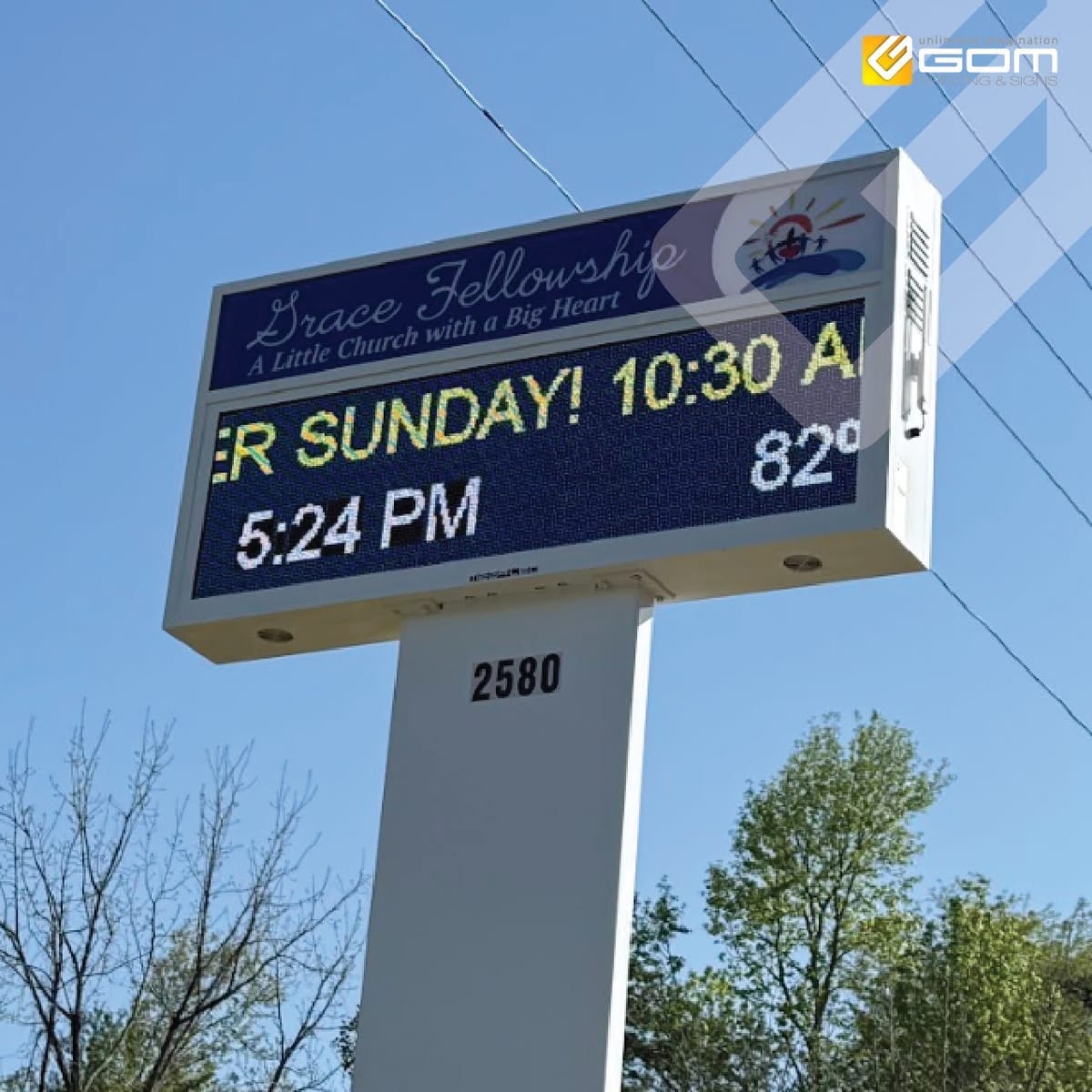
Monument signs come in several forms. A standard monument is a low-profile, ground-level structure with your business name and logo. Multi-tenant monuments list several businesses on a single structure — common for office parks and strip centers. Pylon monuments are taller and more visible from a distance, often used along highways or busy corridors. LED monument signs incorporate a digital message center for dynamic content. The right type depends on your property, your visibility needs, and your local sign code.
Materials and Construction
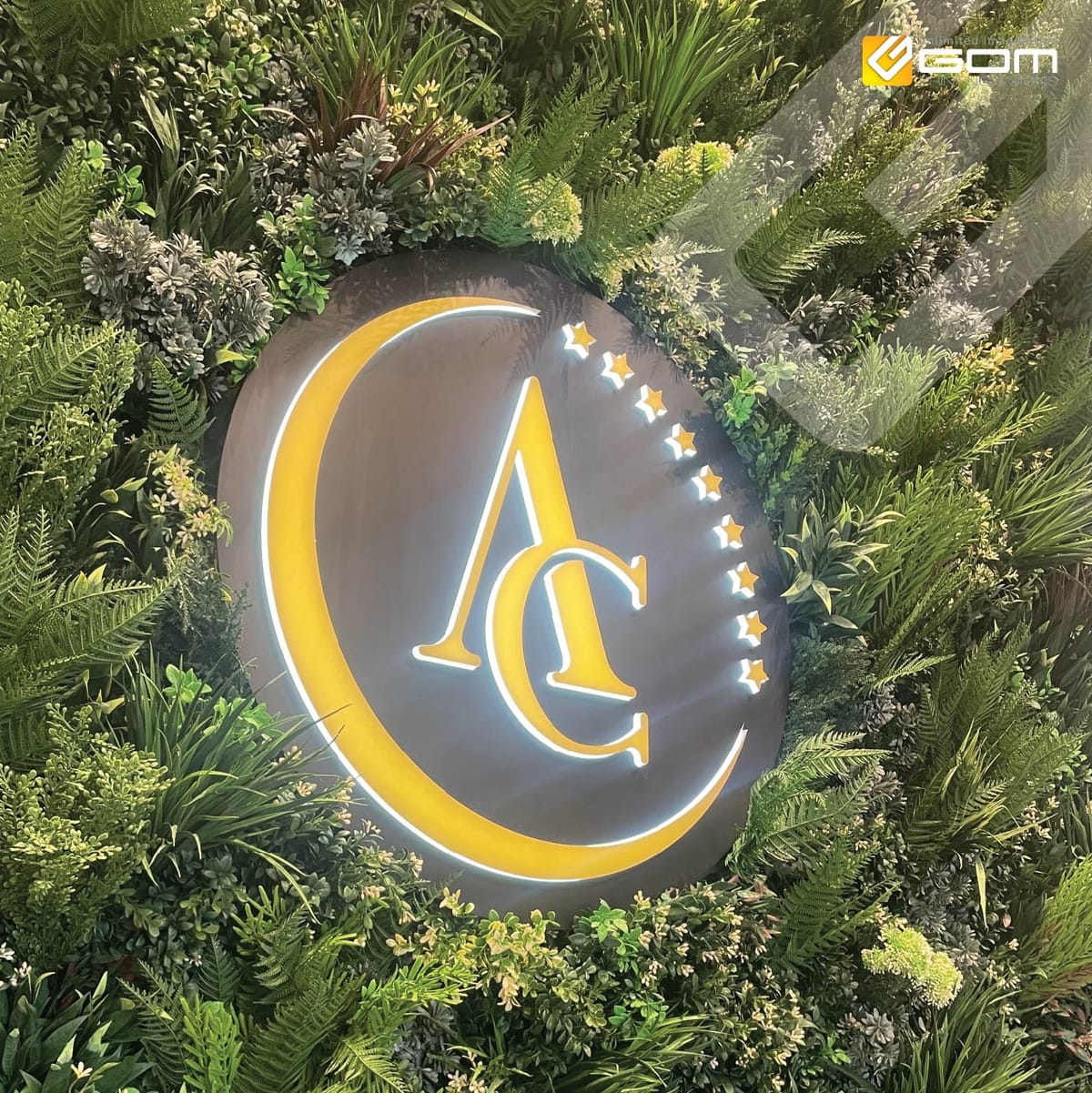
Quality monument signs are built to last decades. Common base materials include aluminum, steel, brick, stone, and stucco-finished foam. The sign cabinet or individual letters mount on top of or within the base. Illumination options include internal LED lighting, halo-lit channel letters, or externally mounted gooseneck lights. At GOM Signs, we fabricate the entire structure in-house — from welding the steel frame to finishing the cabinet and wiring the electrical. That means one team is accountable for the entire build.
Permitting and Installation
Every municipality has specific rules about monument sign height, setback from the road, total square footage, and illumination. In Metro Atlanta alone, the requirements vary from city to city. Doraville, Norcross, Duluth, and unincorporated Gwinnett County all have different sign ordinances. GOM manages the permit process from start to finish — preparing site plans, coordinating with a licensed engineer on any required structural drawings, and filing for necessary variances — though approval timing and outcome are ultimately decided by the local jurisdiction.
Installation involves concrete foundation work, electrical conduit, and structural mounting. Most monument signs take one to three days to install depending on complexity. We coordinate with electricians for final power connection and conduct a full inspection before handoff. If you are planning a monument sign for your property, start the conversation early — permitting alone can take several weeks, and getting ahead of that timeline is the best way to stay on schedule.