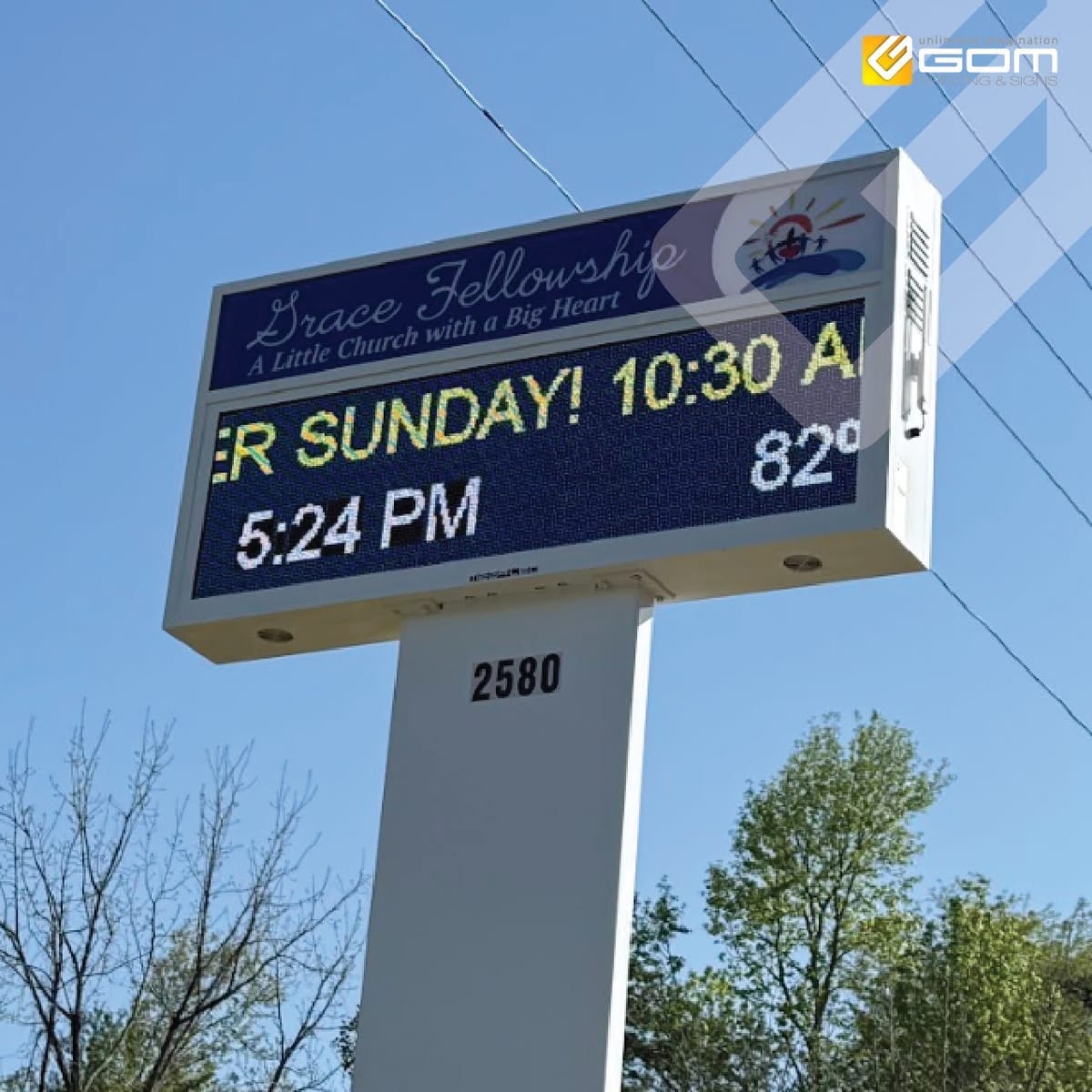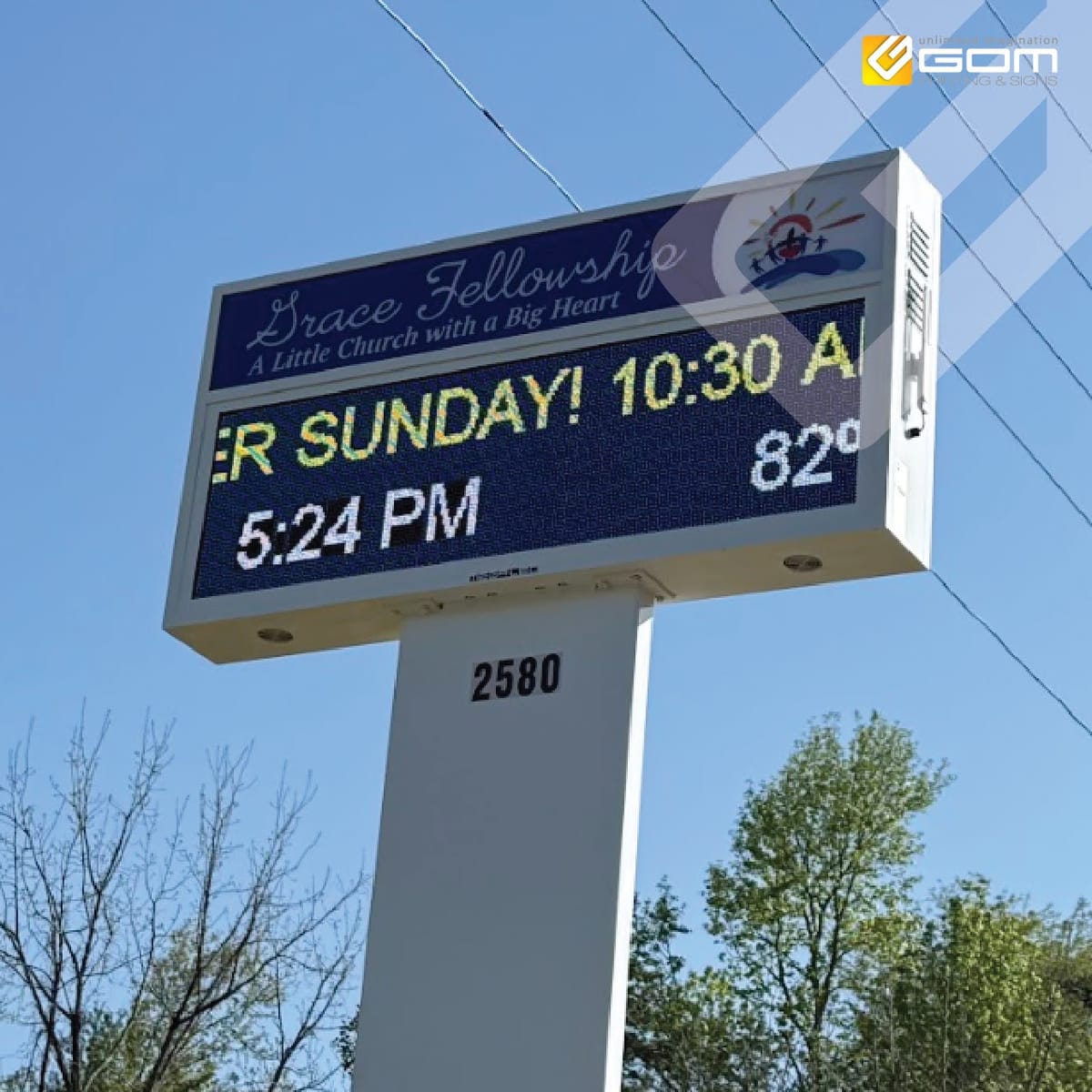
LED displays are one of the fastest-growing segments in commercial signage. They grab attention in ways that static signs cannot — rotating messages, full-color graphics, video content, and real-time updates that keep your sign relevant every single day. But the LED display market is flooded with options at wildly different price points, and choosing the wrong product means washed-out images, premature failure, and wasted money.
Pixel Pitch: The Most Important Spec
Pixel pitch is the distance in millimeters between the center of one LED cluster and the next. A smaller number means higher resolution. As a general rule of thumb, a 10mm pitch suits viewing from about 30 feet, a 16mm pitch suits 50 feet or more, and a 20mm pitch works well for highway viewing around 100 feet — though the right call also depends on your content and lighting, which is why we measure your specific site before recommending a pitch. If your display is at a shopping center entrance where people are walking past at 15 feet, you need a 6mm or 8mm pitch. Matching pixel pitch to viewing distance is the single most important decision in the process.
Brightness and Outdoor Visibility
Outdoor LED displays need enough brightness to compete with direct sunlight — a south-facing Georgia installation often calls for several thousand nits or more, but the right number depends on orientation, surroundings, and your local sign ordinance's brightness and auto-dimming rules, which we check before recommending a spec. Cheap displays often advertise high brightness but cannot sustain it without overheating. Commercial-grade displays use better thermal management and higher-quality diodes that maintain brightness over their rated lifespan. If a deal seems too good to be true on an LED display, it usually is.
Cabinet and Build Quality
The cabinet is the housing that holds the LED modules, power supplies, and control cards. Look for aluminum cabinets with proper sealing and ventilation. Front-serviceable modules are worth prioritizing — if a module fails, a technician can typically swap it from the front of the sign rather than removing the entire cabinet from the wall or pole.
Software and Content Management
Every LED display comes with content management software that lets you create, schedule, and publish messages. The software should be cloud-based so you can update your sign from a phone or laptop anywhere. It should support text, images, video, and time-scheduled playlists. Some platforms offer built-in templates, weather feeds, and social media integration. GOM Signs provides training on the software as part of your display installation so you are confident from day one.
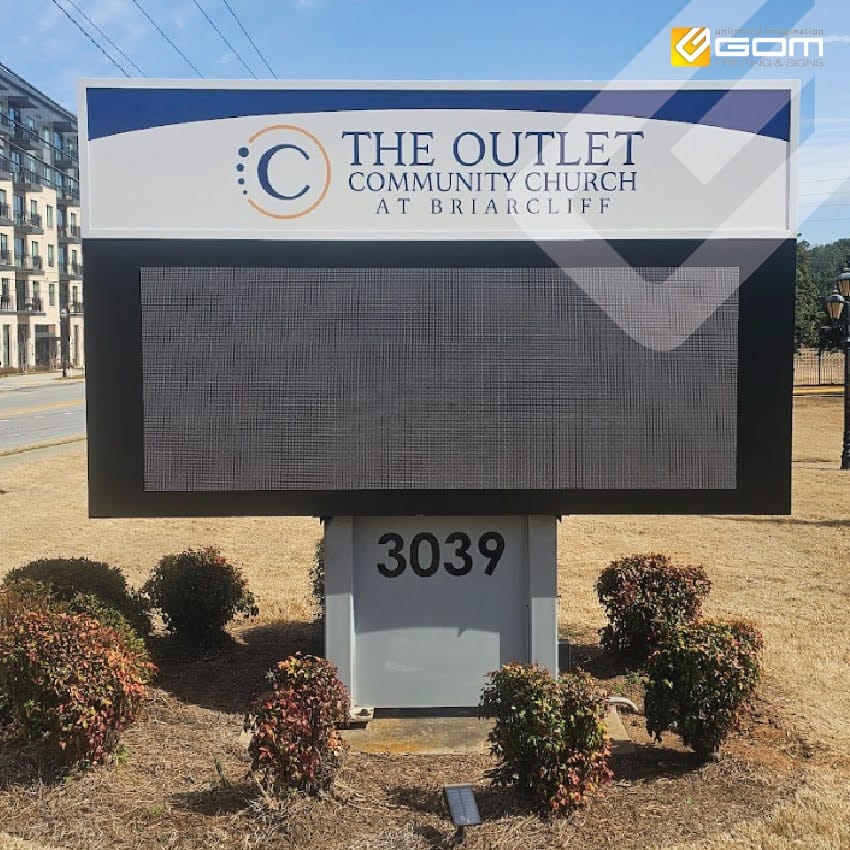
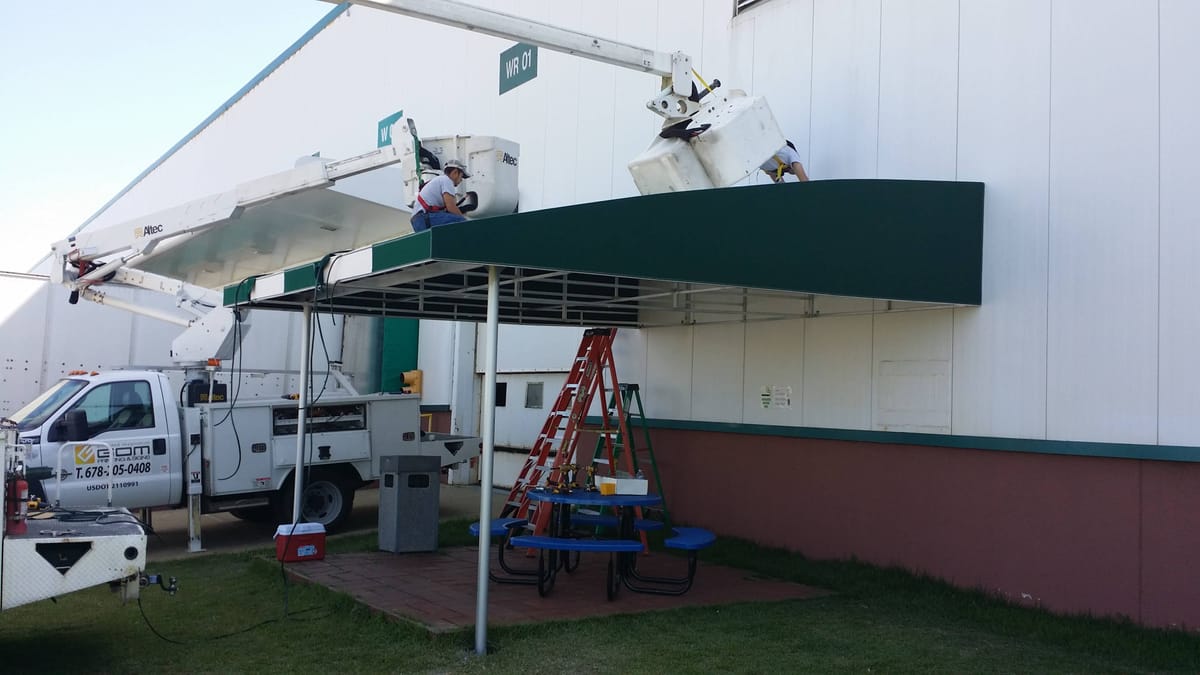
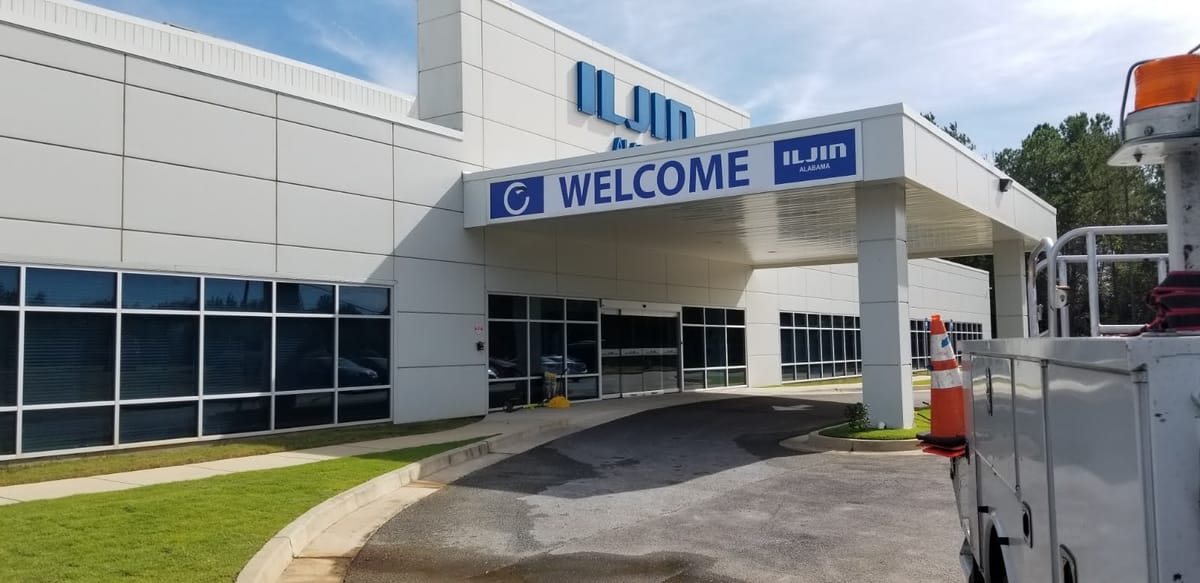
We supply and install commercial-grade LED displays sourced from reputable manufacturers, built to handle continuous outdoor use. If you are considering an LED display for your business, church, or organization, let us evaluate your site and recommend the right product for your viewing distance and budget.