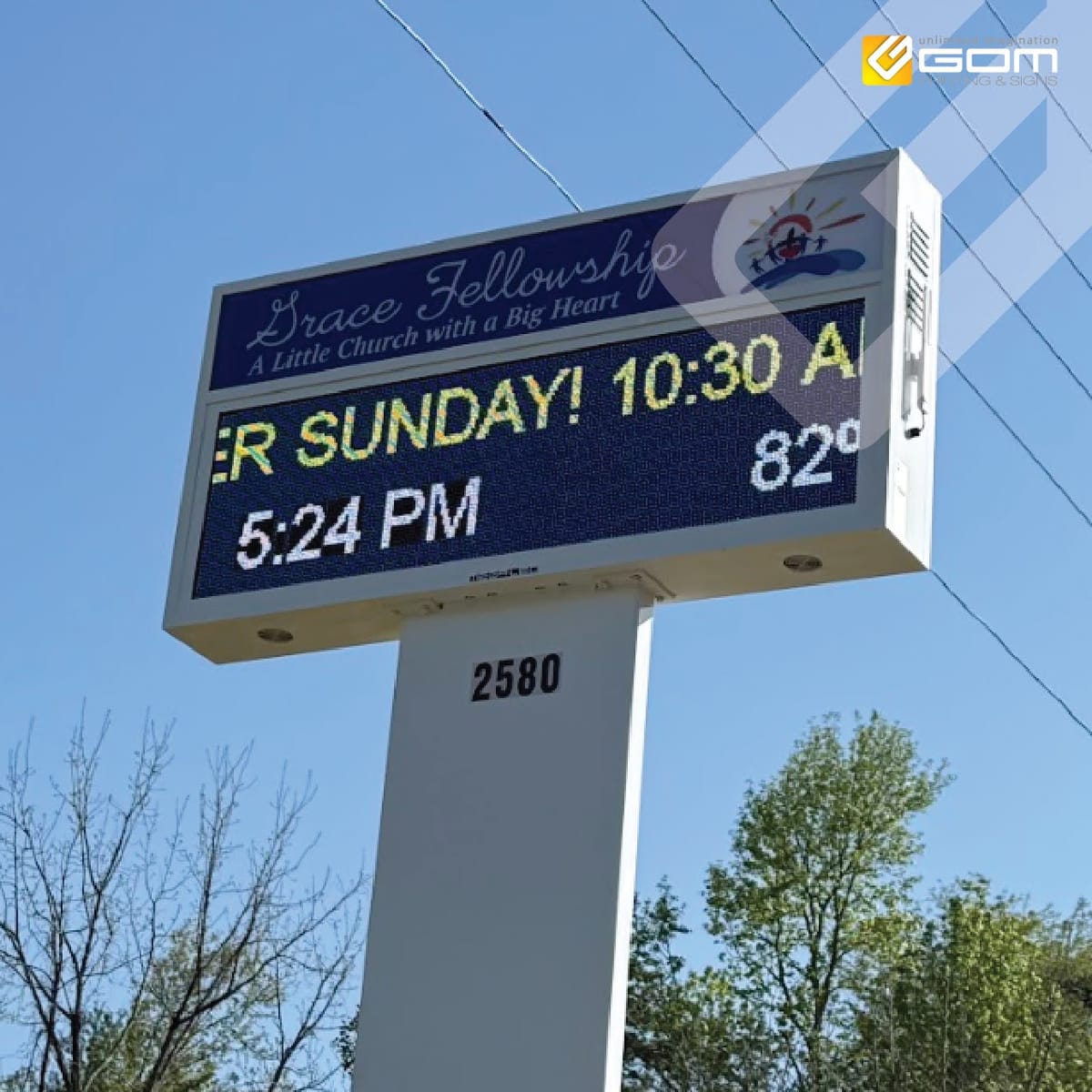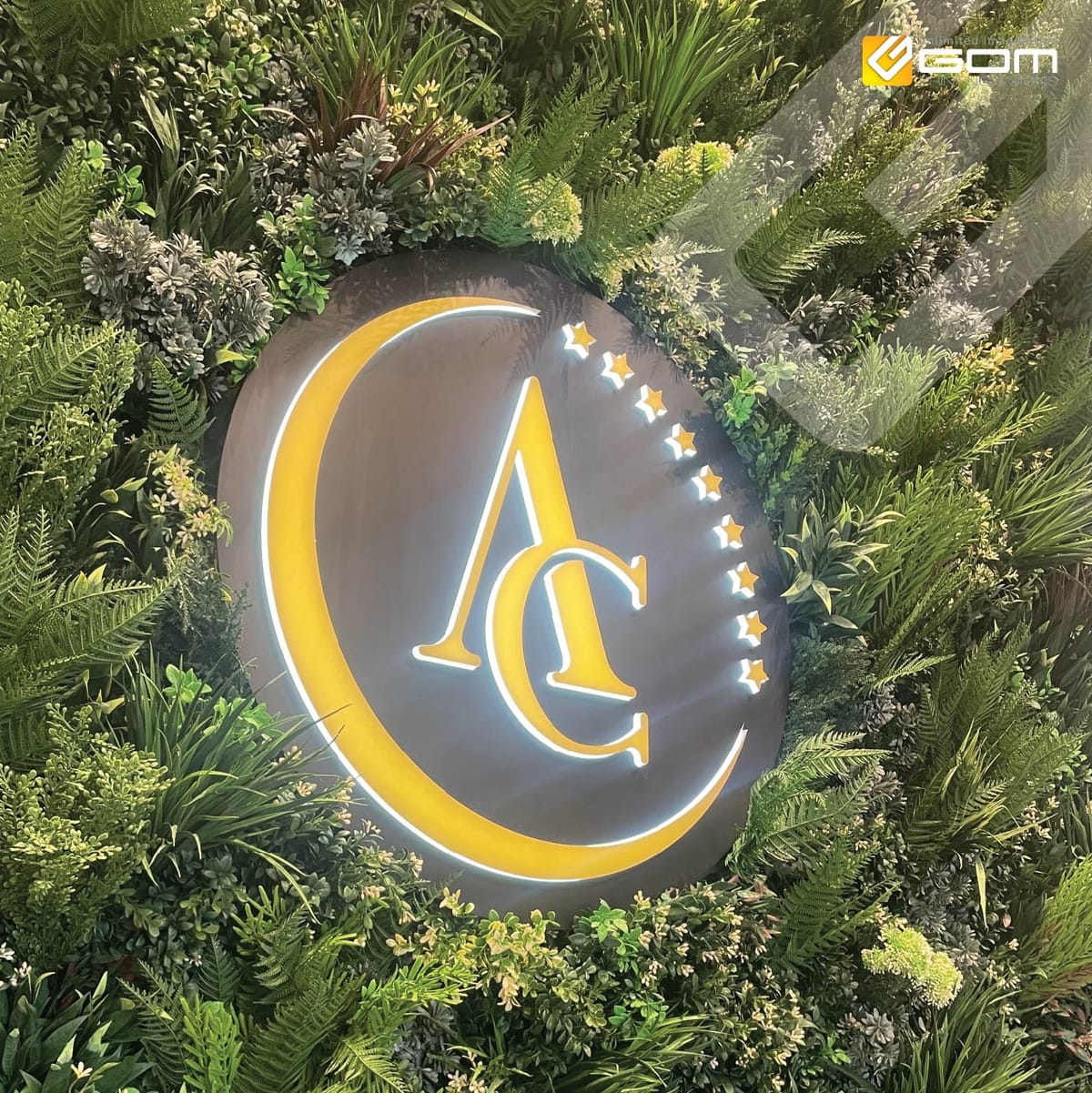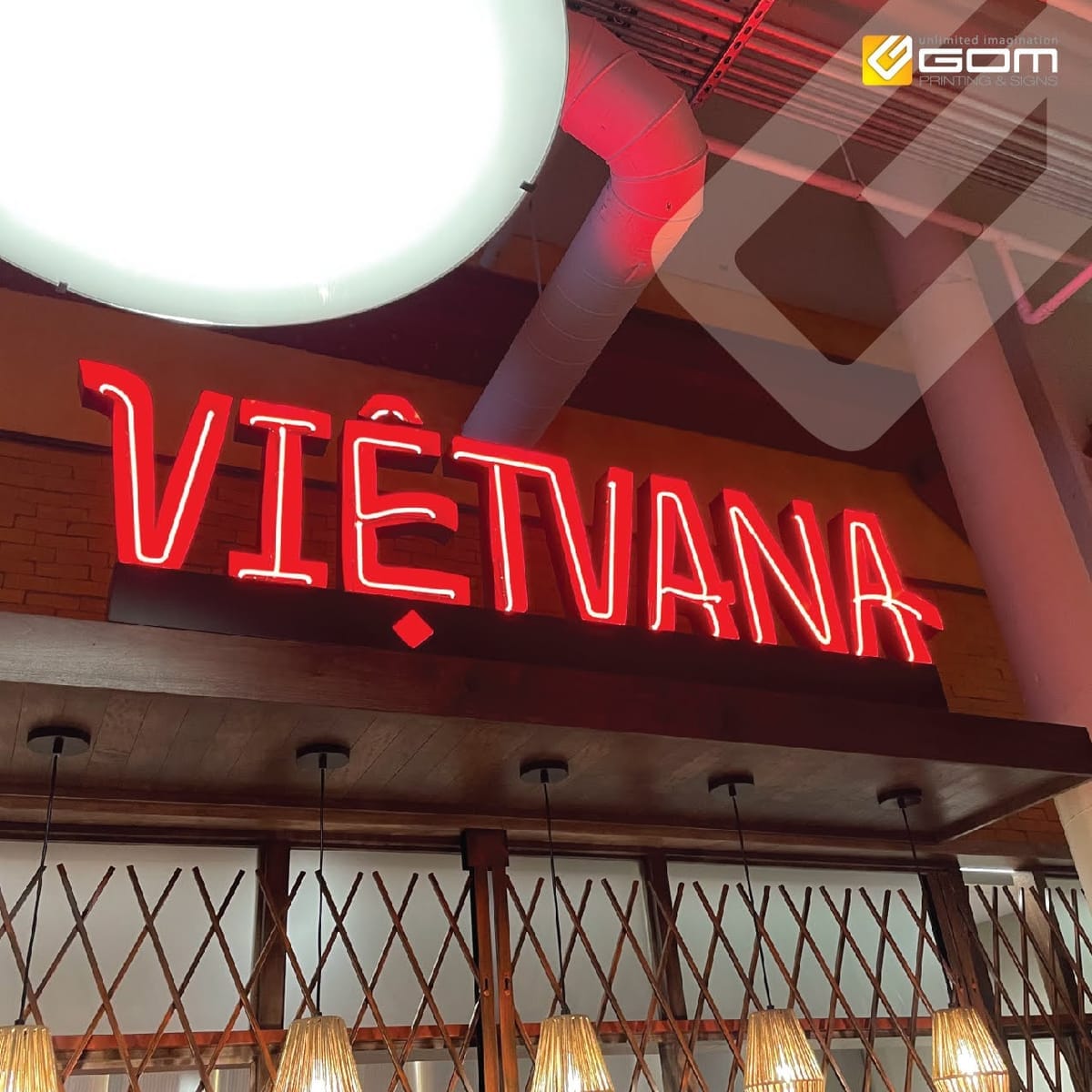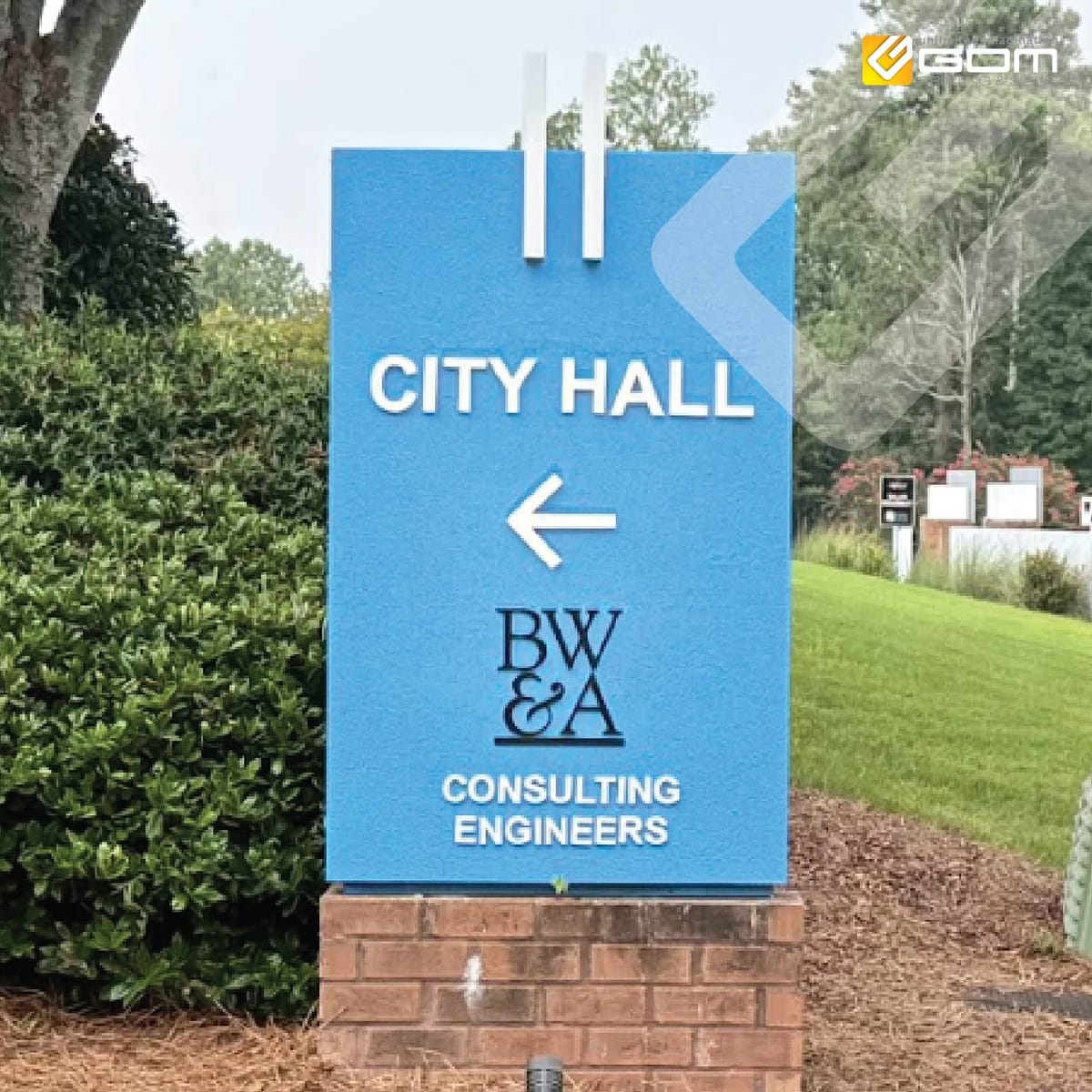
Getting a new sign for your business is exciting, but the process from concept to installed sign involves more steps than most business owners expect. Understanding what happens at each stage helps you plan your timeline, set realistic expectations, and avoid the surprises that can delay a project. At GOM Signs, we manage the entire installation process in-house across Georgia, and we have built that same hands-on standard fabricating and installing signage for clients throughout the Southeast.
Site Surveys and Permitting: Laying the Groundwork
The process starts with a site survey. Before any design work begins, one of our project managers visits your location to assess the building facade, measure available space, evaluate electrical access for illuminated signs, and note any physical constraints like overhangs, conduit runs, or masonry that will affect installation. This step is not optional — accurate field measurements are the foundation of a sign that fits and installs cleanly.
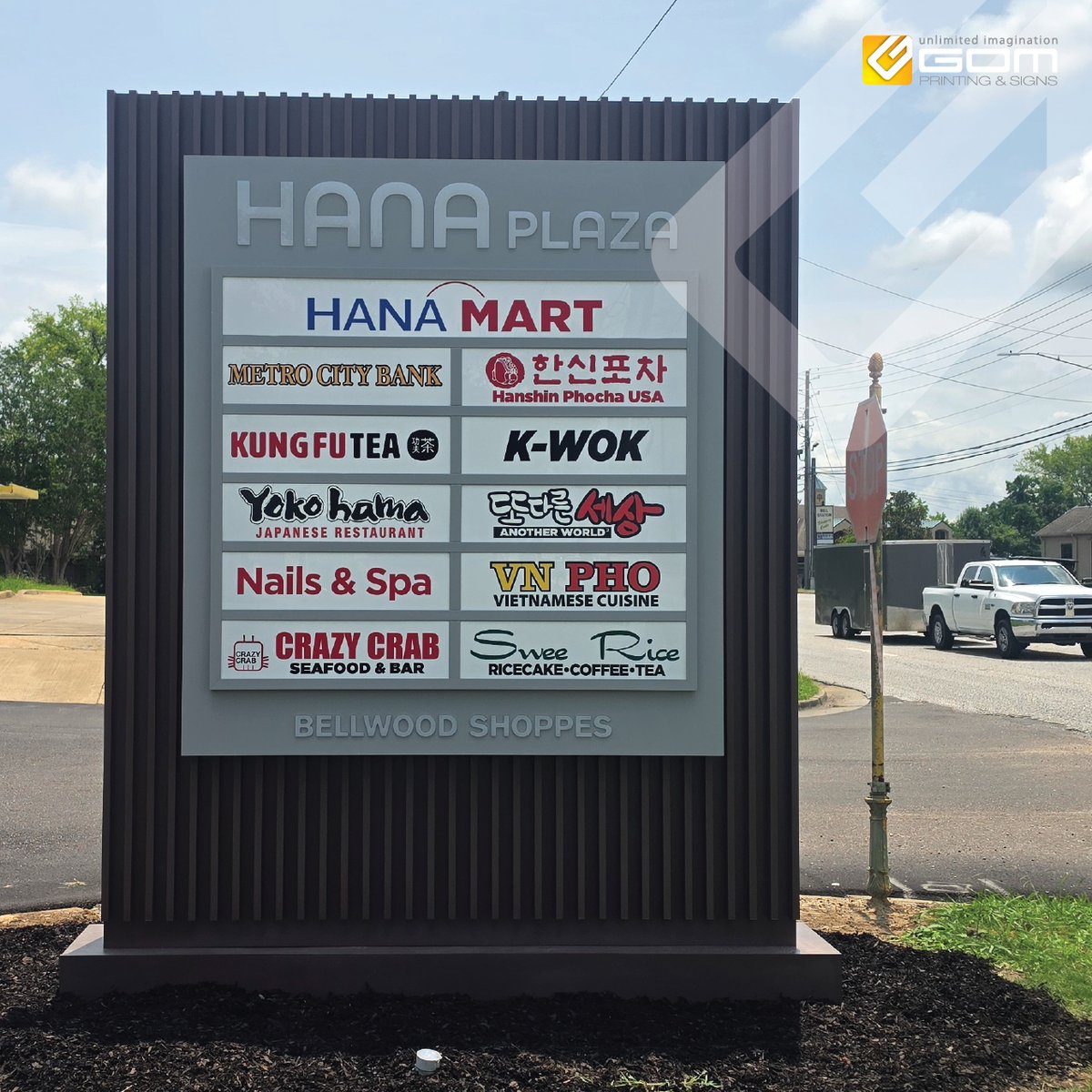
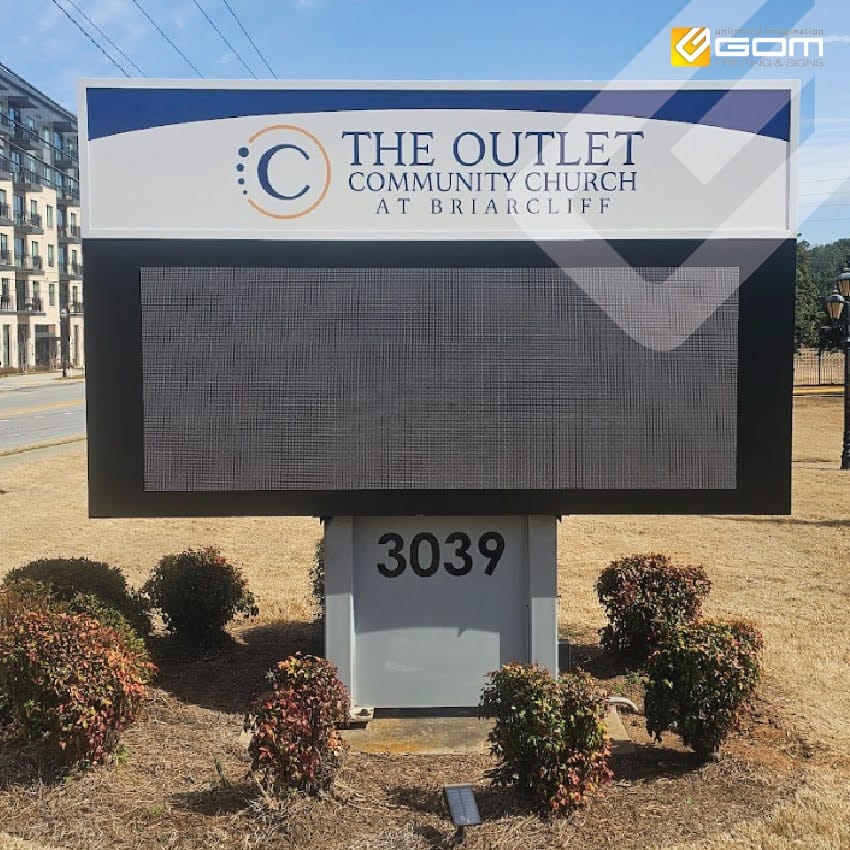
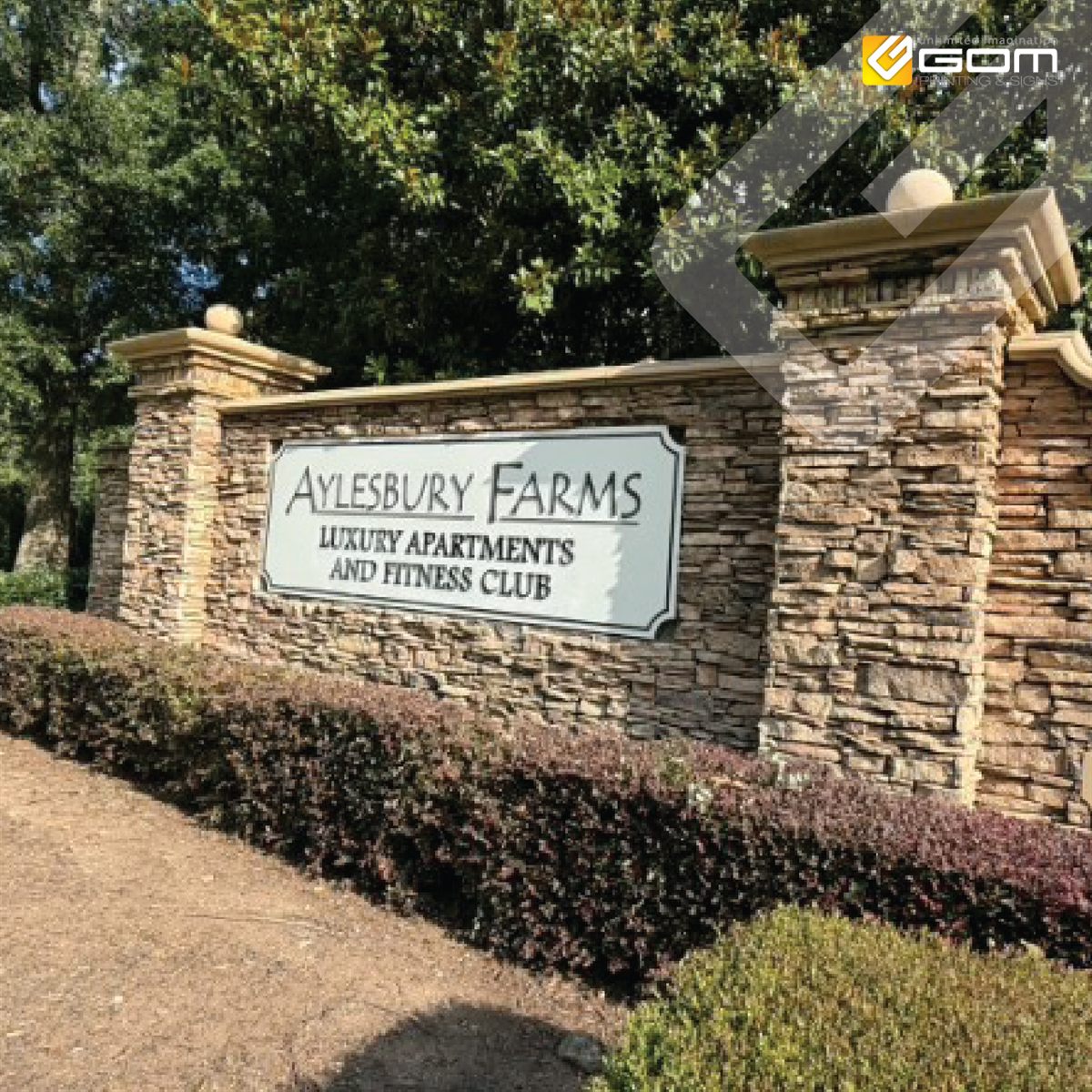
Permitting is the step that surprises most clients. Nearly every municipality in Metro Atlanta — and across Georgia — requires a sign permit before installation. Requirements vary by city, county, zoning district, and sign type. Monument signs, wall signs, pylon signs, and LED message centers each have their own rules regarding height, setback, illumination, and total square footage. GOM handles the permit application on your behalf, including drawings and documentation. Permit timelines range from a few days to several weeks depending on the jurisdiction, which is why we always recommend starting the permitting process early.
Fabrication and Installation Day
While permits are pending, fabrication is underway. Channel letters are routed and bent, cabinets are welded and painted, faces are cut and printed, and electrical components are wired and tested in our shop. We do not order materials and wait — we begin production as soon as design is approved so that we are ready to install the moment the permit comes through.
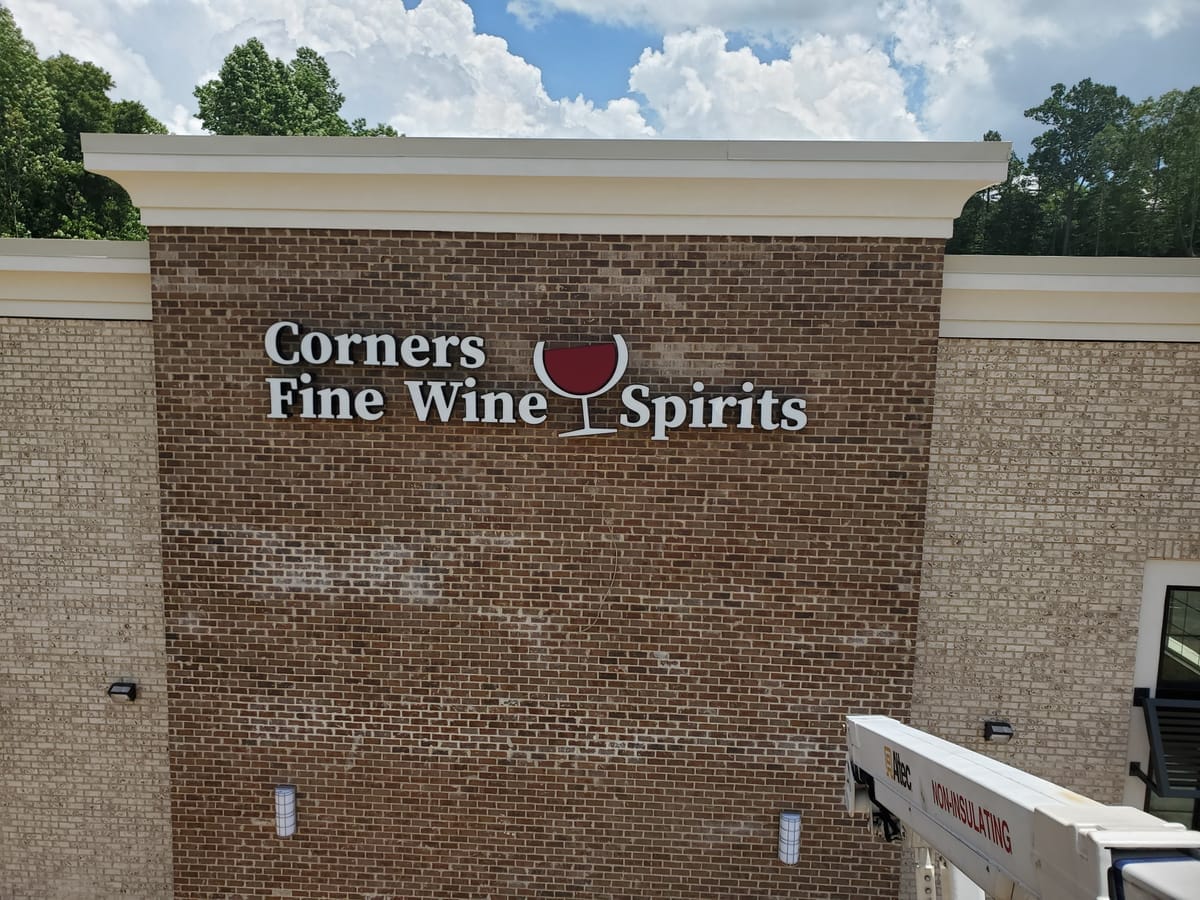
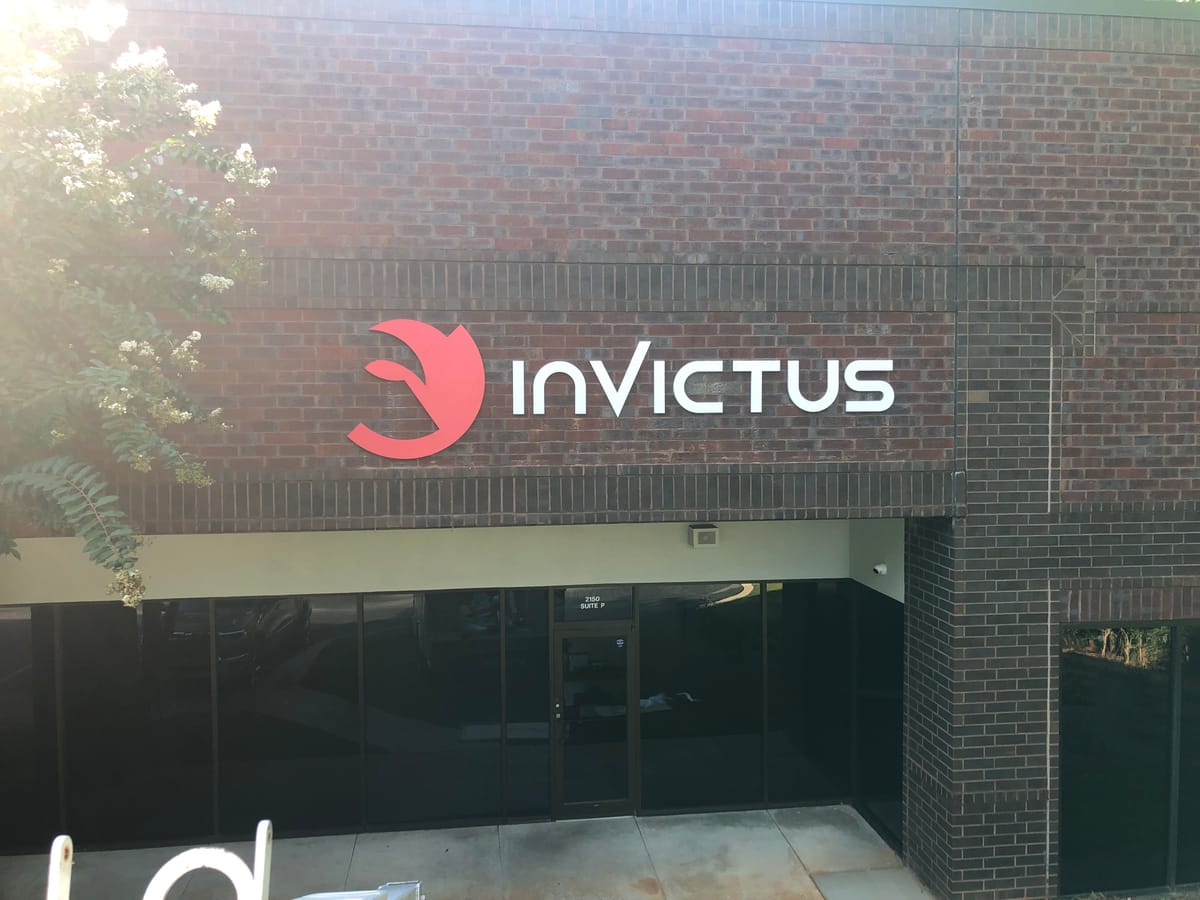
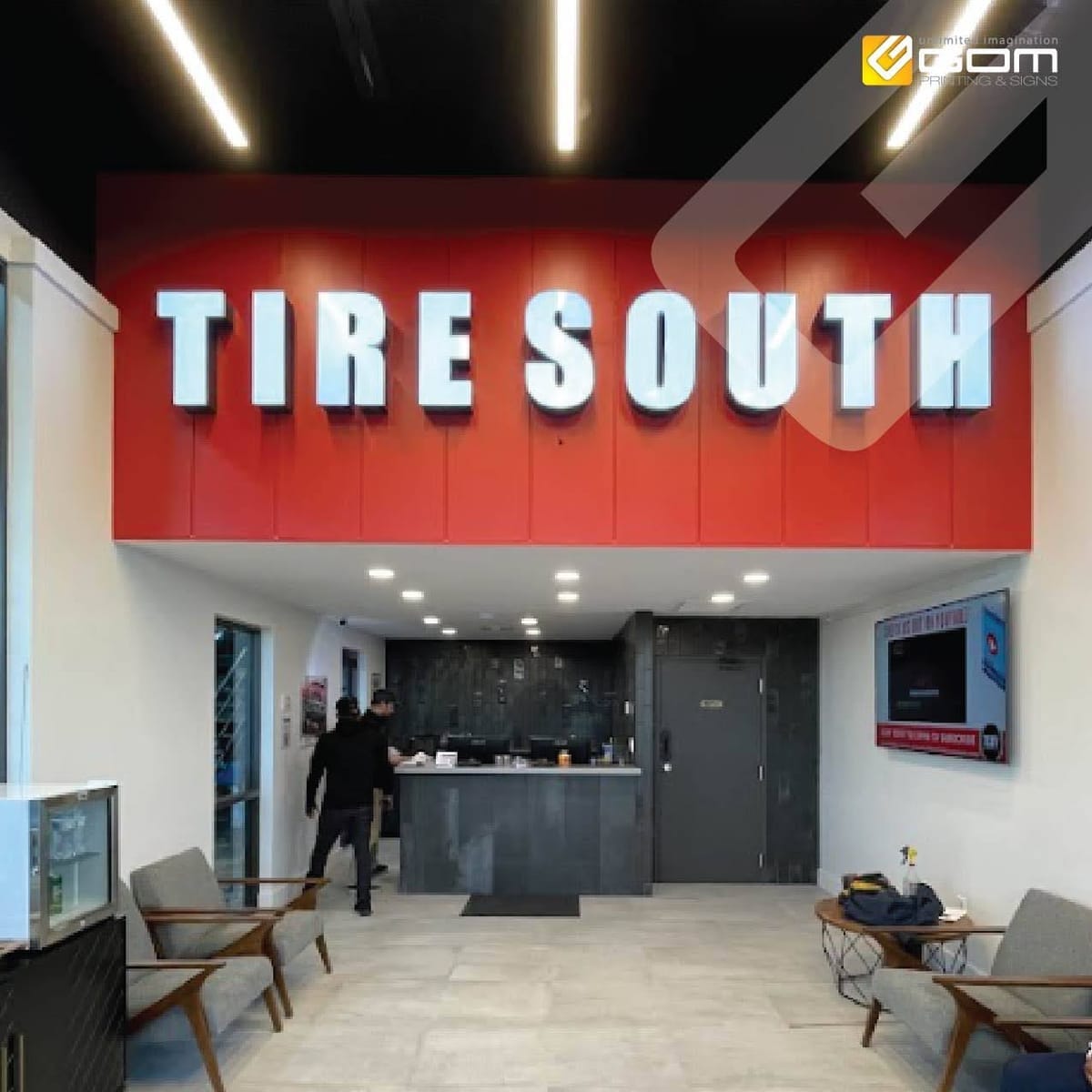
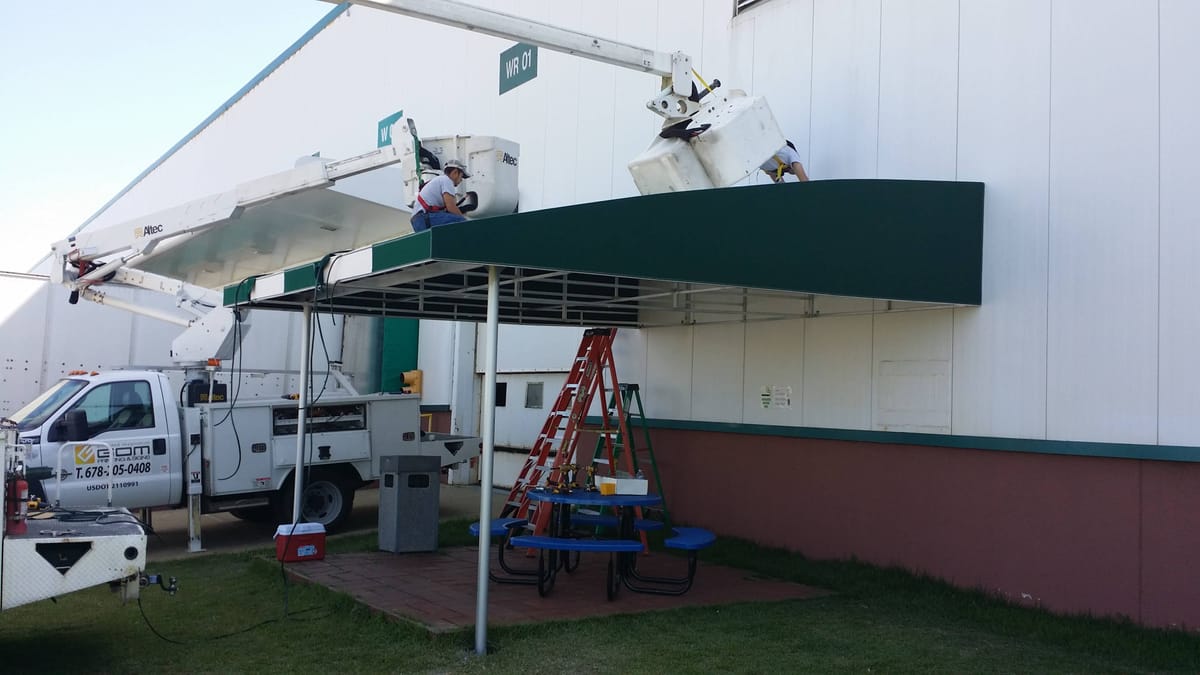
Installation day looks different depending on the sign type. A set of lobby letters might take two hours. A large channel letter wall sign typically takes a full day. A pylon or monument sign could span several days between concrete work, post setting, and cabinet installation. For elevated work, we use bucket trucks and lifts matched to the height and reach each job requires, operated by our trained crew under our commercial insurance coverage.
How to Prepare and What Happens After
There are a few things business owners can do to make installation day go smoothly. Confirm that your landlord or property manager is aware of the scheduled work if you are a tenant. Make sure the install crew has clear access to the wall face or ground area — move any outdoor furniture, signage, or equipment that could be in the way. If the sign requires electrical connection, have a licensed electrician ready — our installers will coordinate the tie-in point and timing with them.
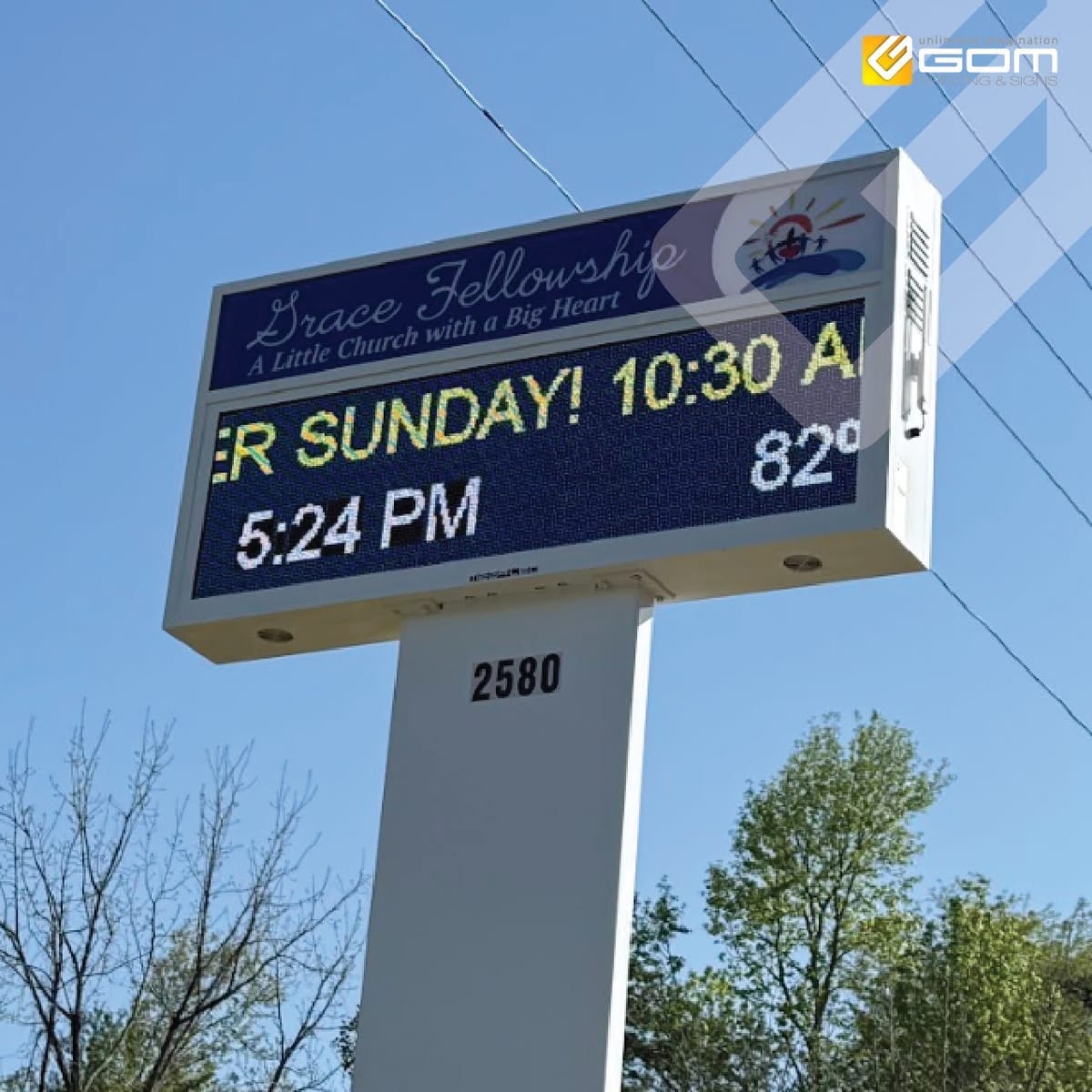
After installation, we do a final walk-through with the client. We check that every element is level, secure, and lit correctly. We review the warranty on parts and labor, and we make sure you know how to operate any programmable components like an LED message center. Our job is not finished when the crane drives away — we close out every install with that walk-through and a punch list of anything that still needs attention. If you are planning a new sign and want to understand the timeline for your specific project, reach out to us and we will walk you through it step by step.