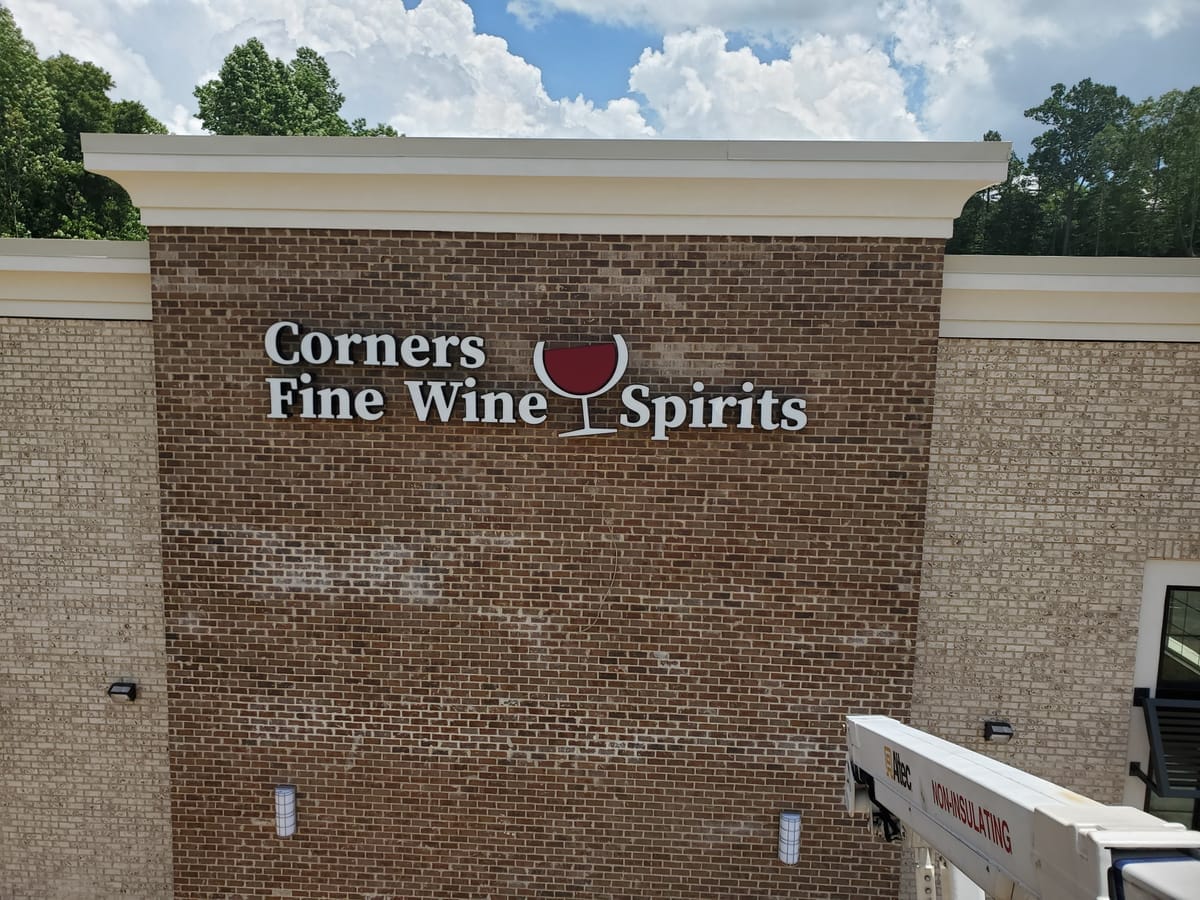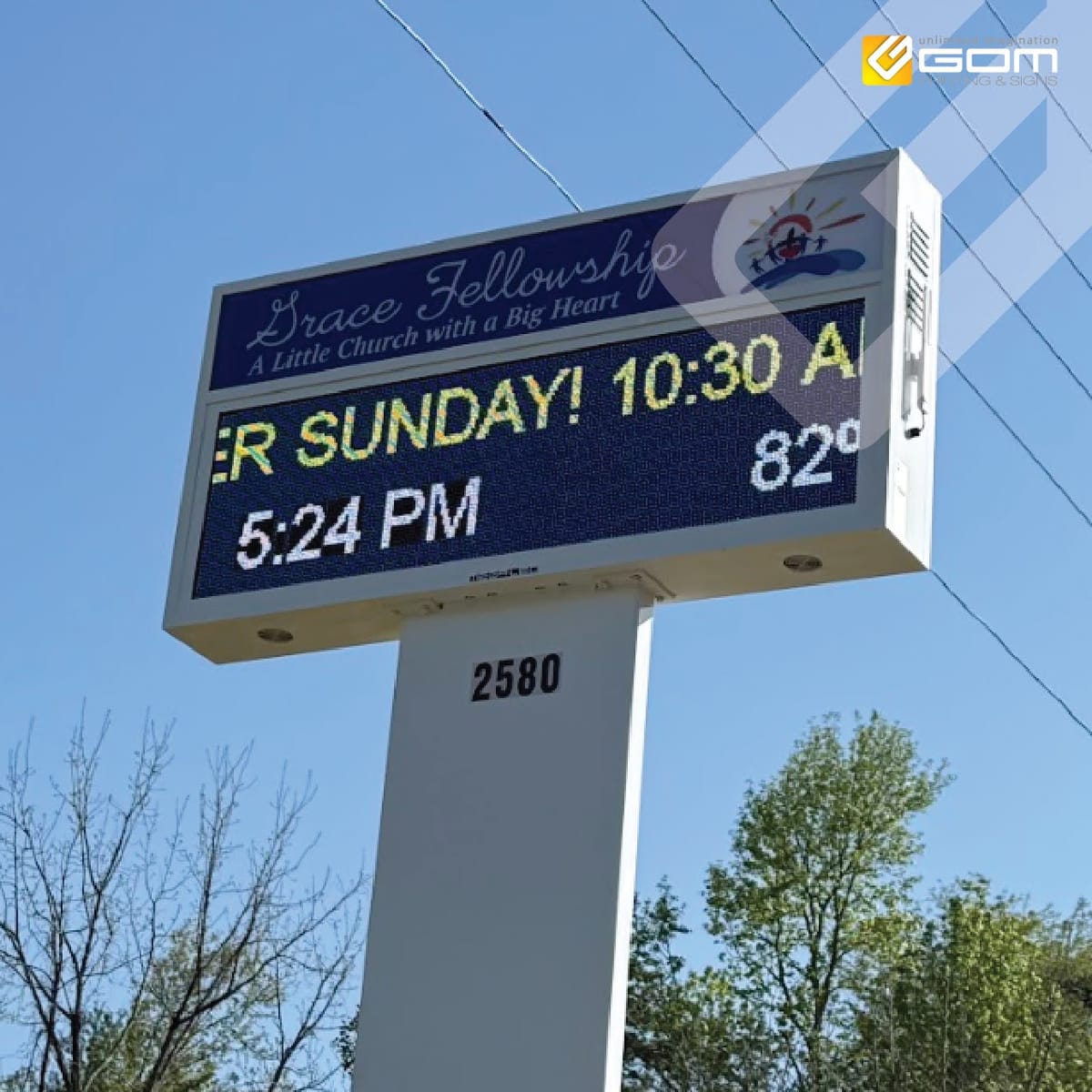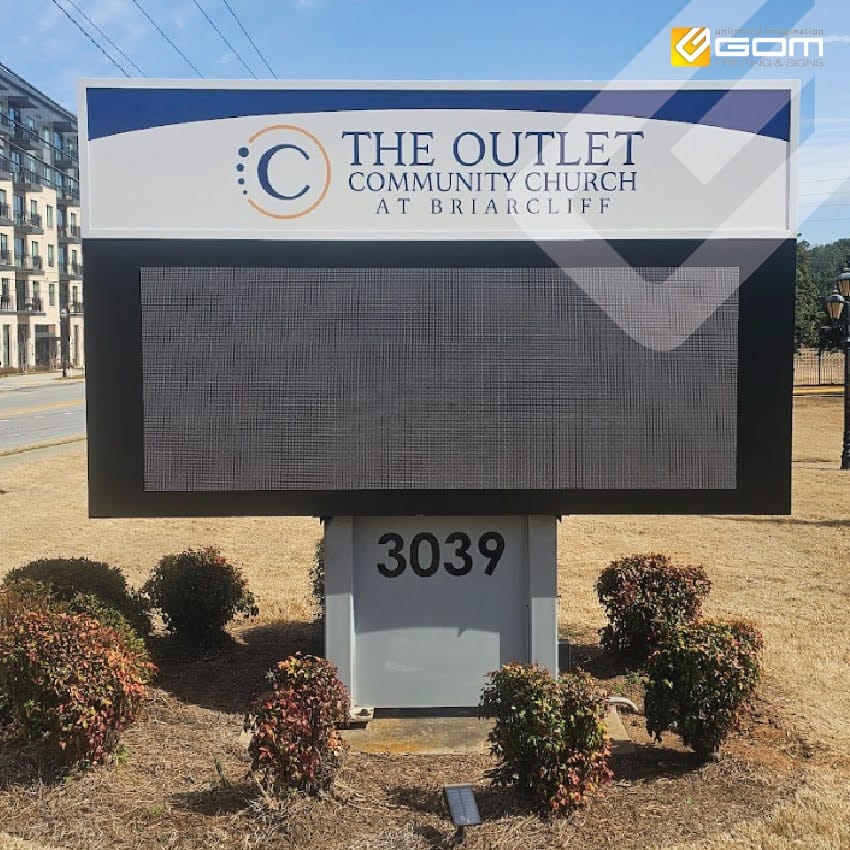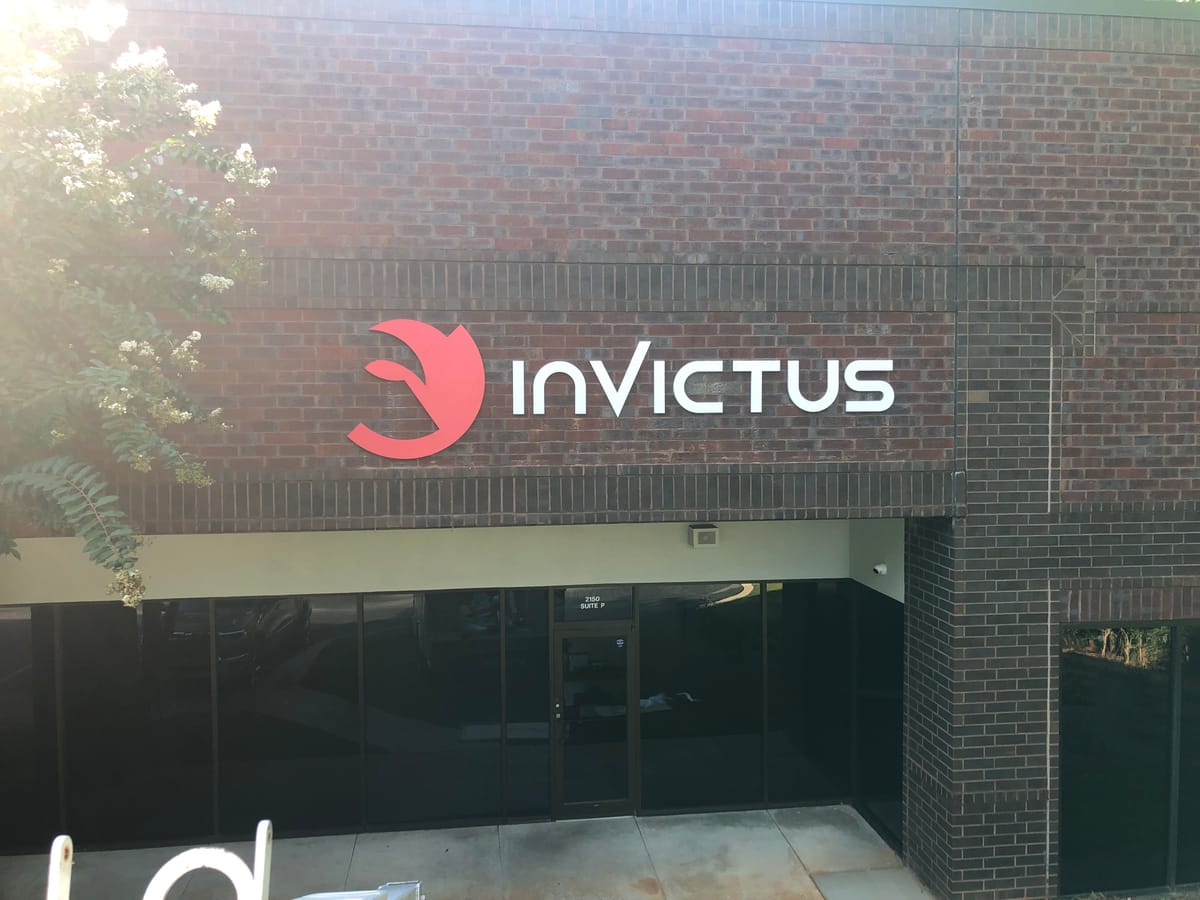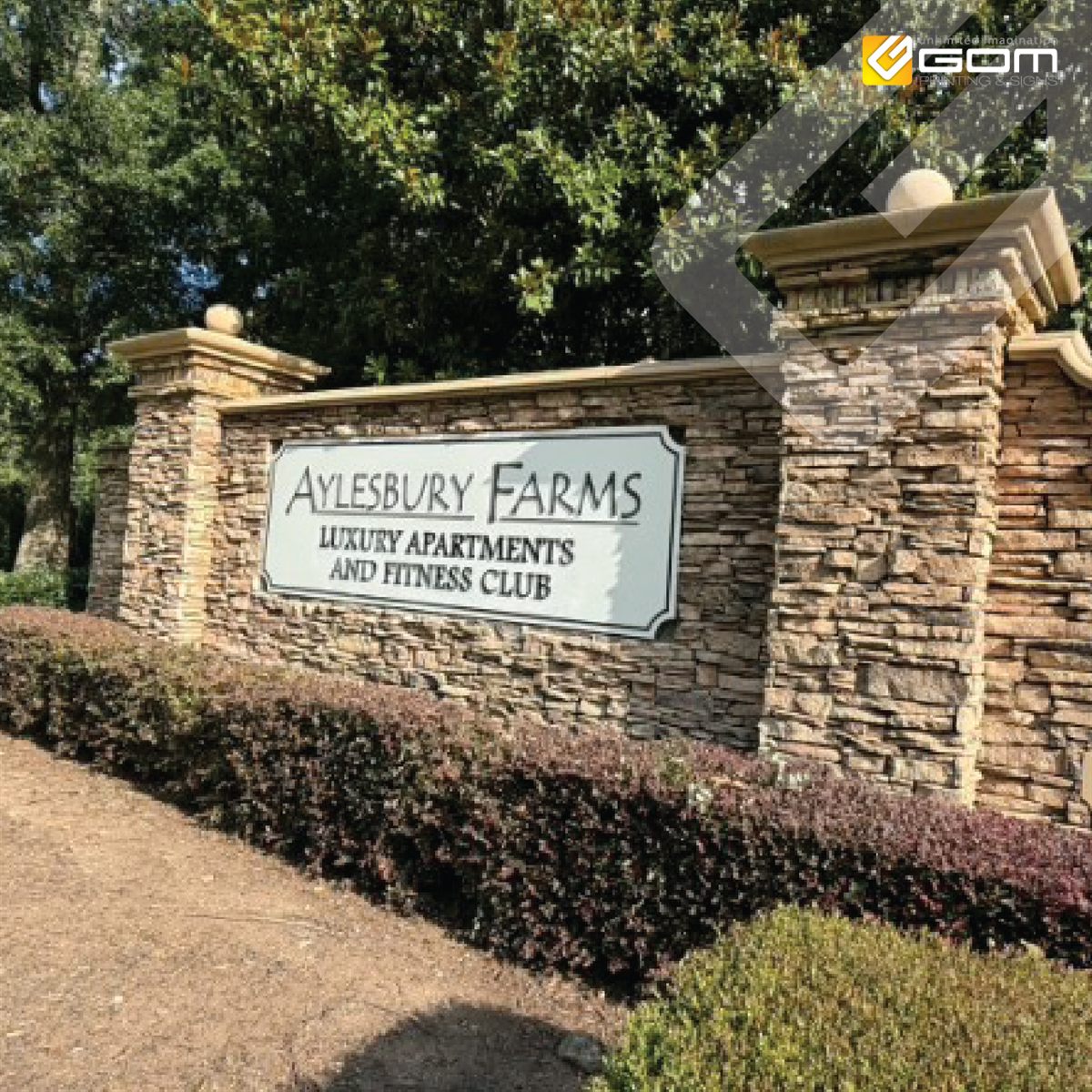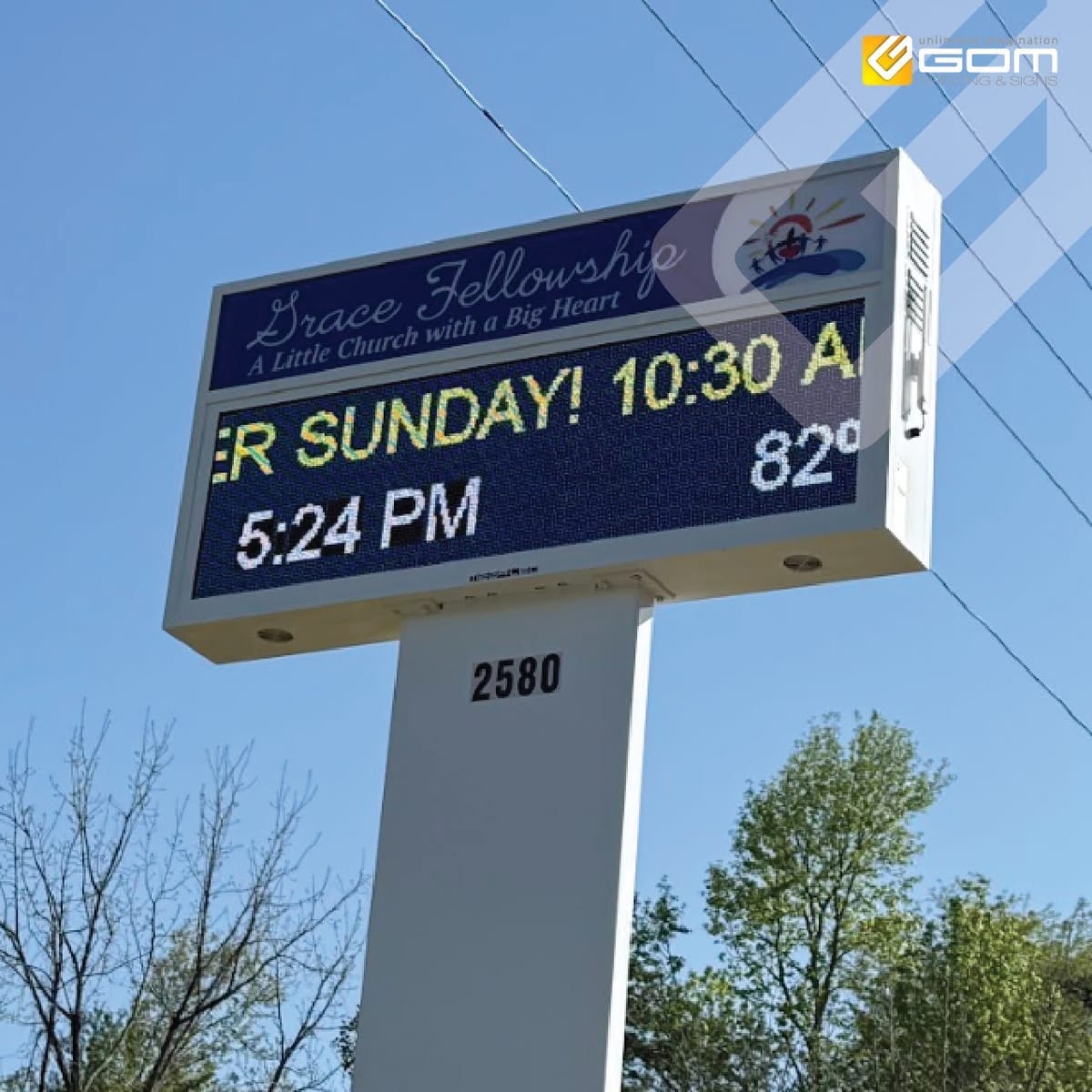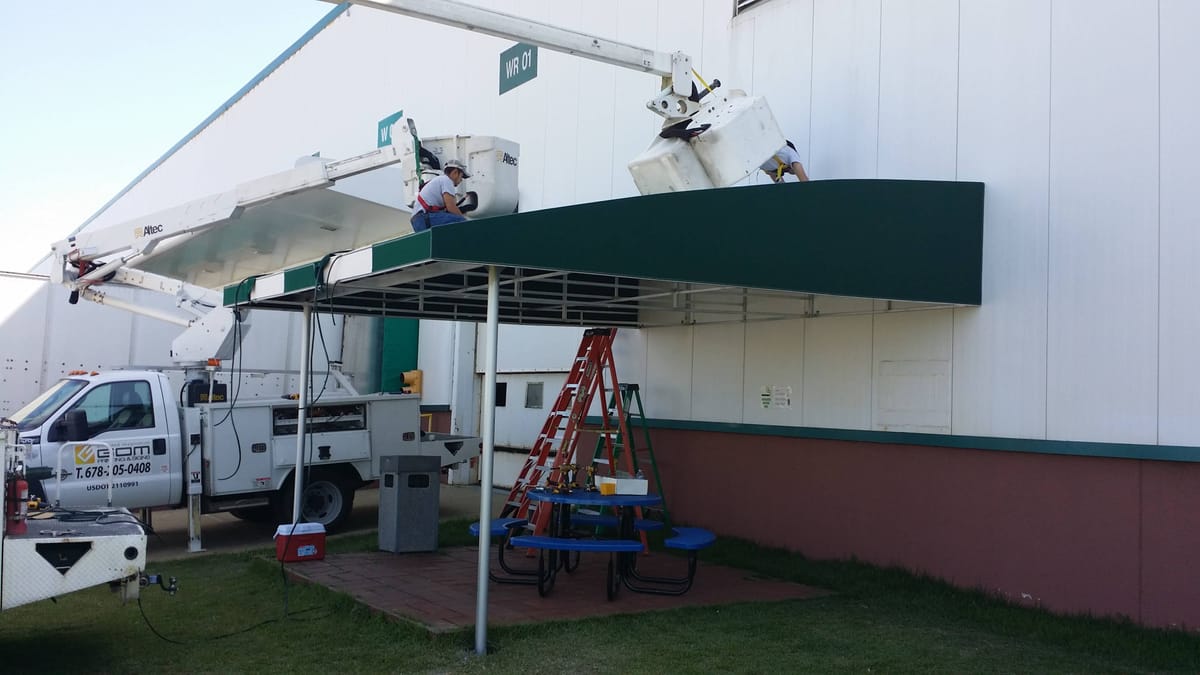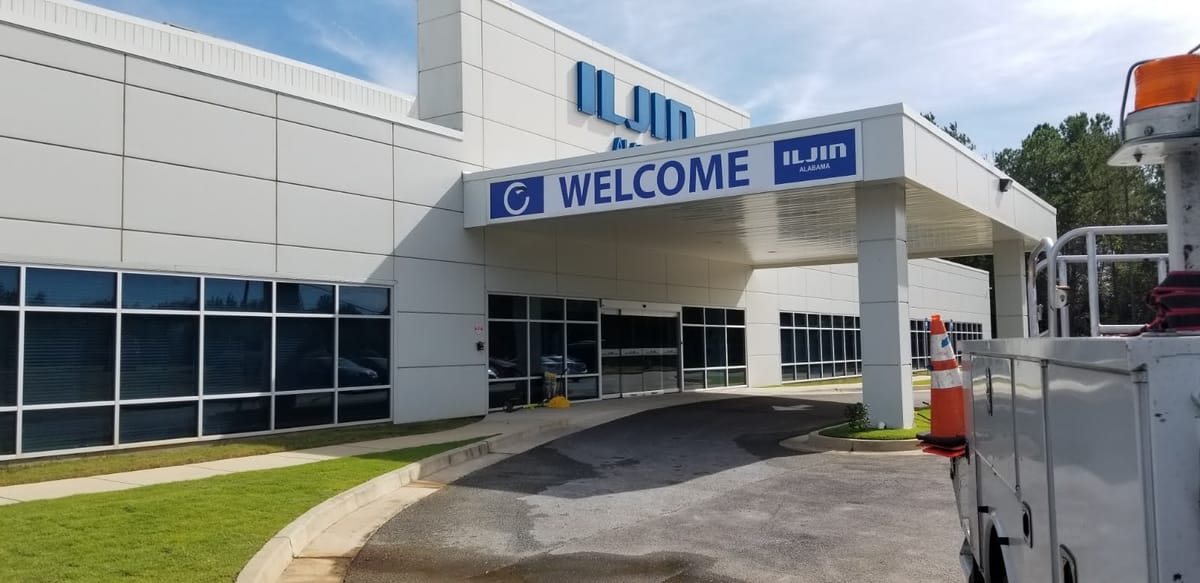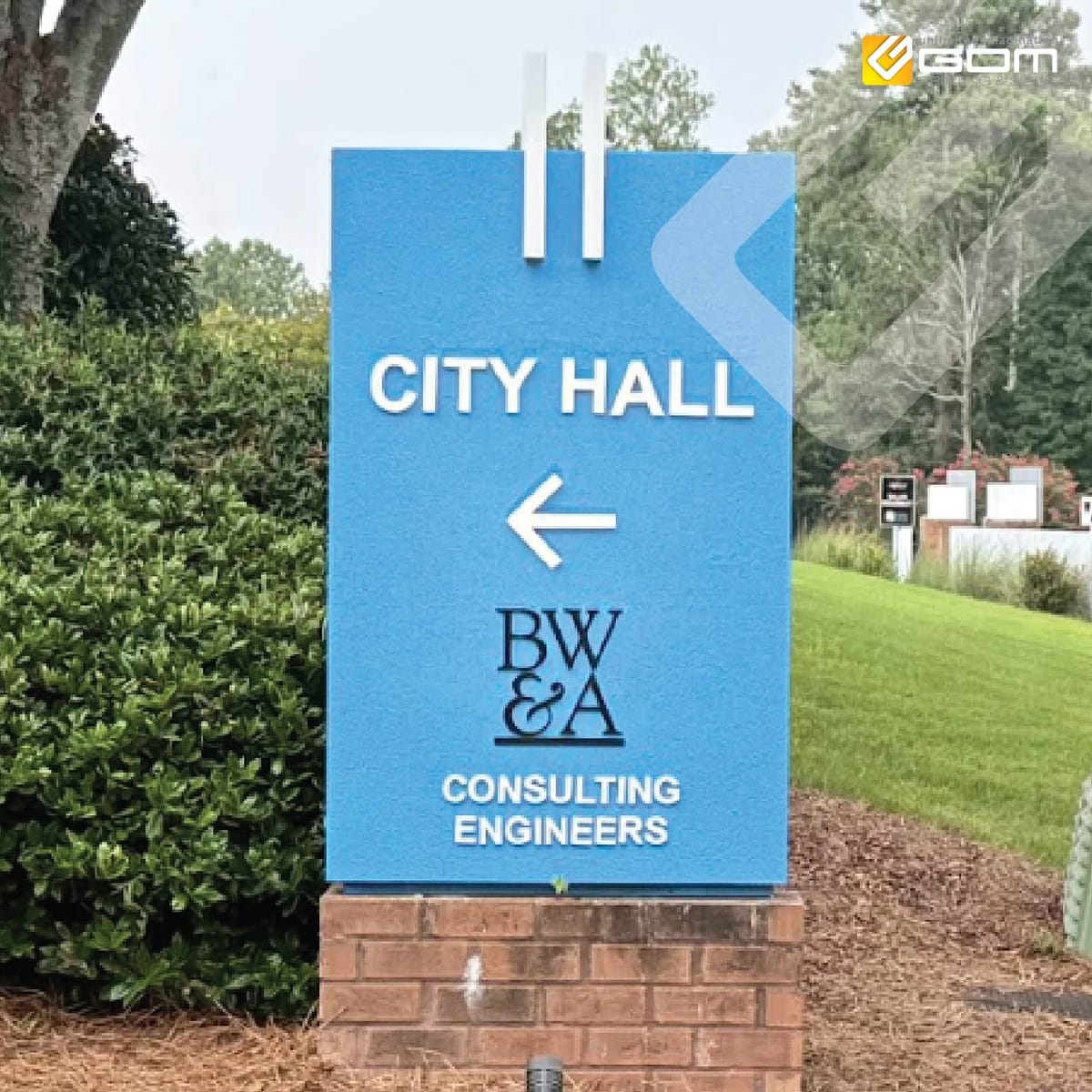
Almost every new sign installed in Metro Atlanta requires a permit. It does not matter whether you are hanging a small channel letter set on a strip mall or installing a 20-foot pylon on a highway — if you skip the permit, you risk fines, forced removal, and a lot of wasted money. The permit process is not complicated, but it does vary from one jurisdiction to the next, and that is where most business owners get tripped up.
Why Permits Exist
Sign permits exist to enforce local zoning codes. These codes control the size, height, placement, illumination, and quantity of signs allowed on a property. The goal is to balance a business owner's need for visibility with the community's interest in safety and aesthetics. Every city and county has its own sign ordinance, and some have overlay districts or historic districts with additional restrictions.
What the Process Looks Like
The typical permit process involves submitting an application to the local planning or permitting department along with sign drawings that show dimensions, materials, mounting method, illumination type, and the sign's location on the building or property. Many jurisdictions also require a site plan showing setbacks and a photo of the existing building. Some require a structural engineering letter for larger signs.
Timelines and Common Delays
Permit review timelines range from a few business days for simple wall signs in smaller cities to four to eight weeks for complex projects in larger jurisdictions. The most common cause of delay is an incomplete application — missing drawings, wrong property information, or a sign that exceeds the allowable size. Variance requests for signs that do not meet code add even more time because they require a public hearing.
How GOM Signs Handles It
At GOM Signs, we prepare and file the permit application for you. We draft the drawings, complete the paperwork, submit to the jurisdiction, respond to reviewer comments, and schedule the post-installation inspection — though final approval always rests with the local permitting office. We have worked with permitting departments across Doraville, Norcross, Duluth, Suwanee, Gwinnett County, DeKalb County, Fulton County, the City of Atlanta, and dozens of other Southeast jurisdictions. That experience means we know what each office expects, which avoids the back-and-forth that delays projects.
If you are planning a new sign and are not sure what your local code allows, call us. We will research your property's zoning classification and give you a preliminary read on what is typically permitted, so you have a starting point before design work begins — the jurisdiction always makes the final call.