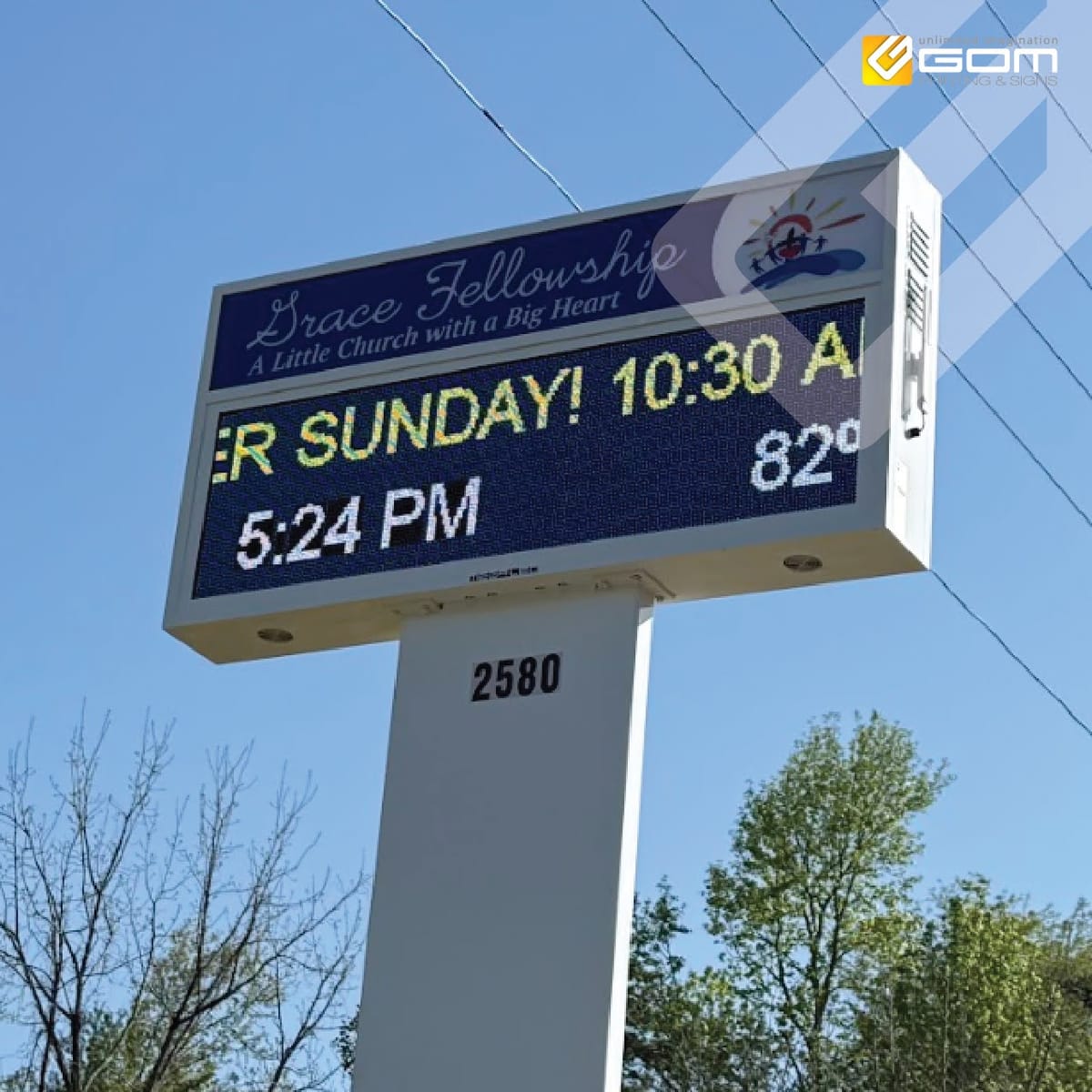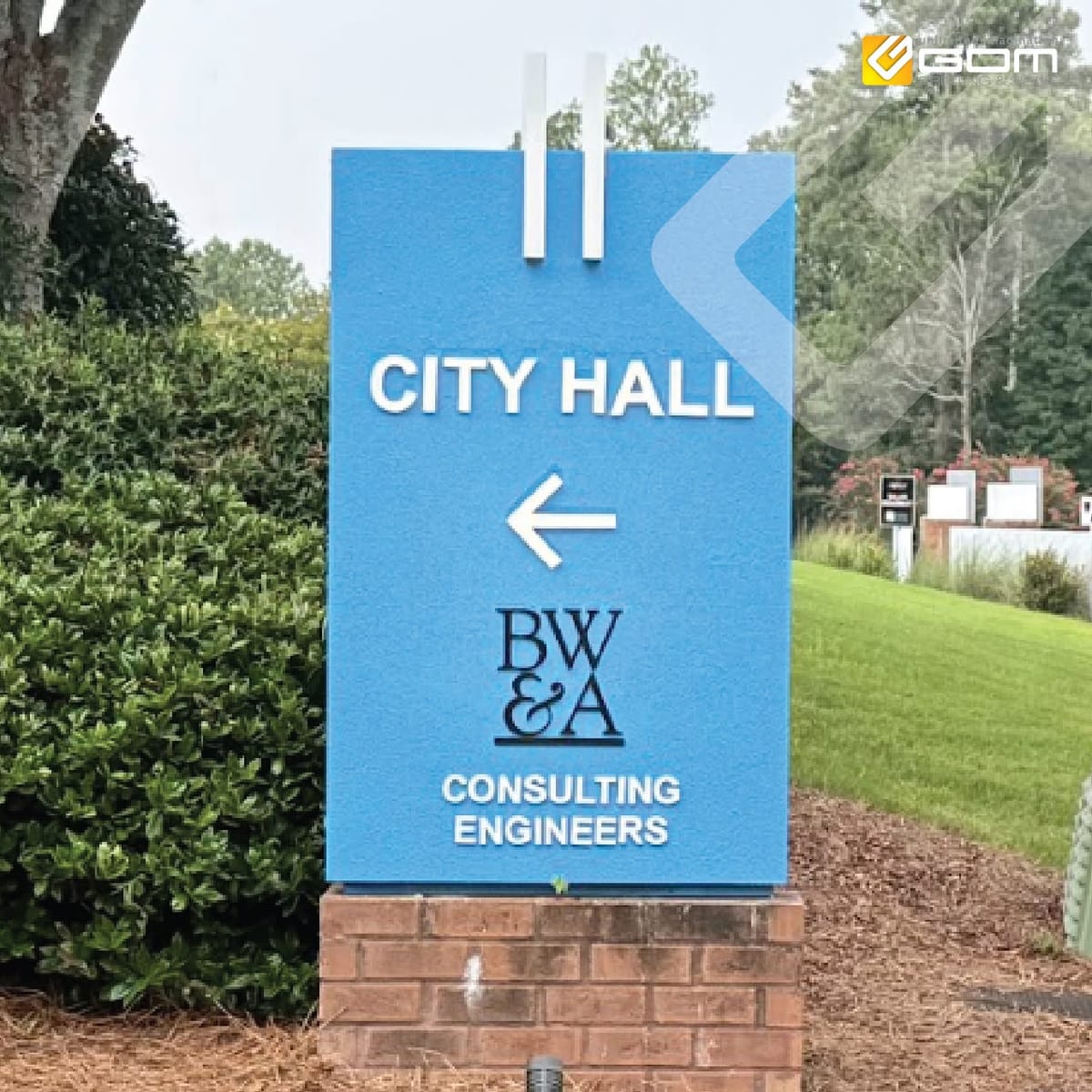
Channel letters are the backbone of storefront signage across Metro Atlanta. Walk any shopping center from Norcross to Duluth to Buford Highway and you will see them on nearly every facade. But not all channel letters are lit the same way, and the lighting style you choose changes how your sign looks, how it reads at night, what it costs to build, and sometimes whether it gets approved. Here is a plain-spoken breakdown of the three main options: front-lit, halo-lit, and back-lit, so you can walk into a quote knowing what you want.
What Channel Letters Actually Are
A channel letter is an individually fabricated, three-dimensional letter or logo shape. Each one has a face, sides called returns, and a back, with LED modules mounted inside. The letters are installed one by one on the building fascia or mounted to a raceway, a slim metal box that carries the wiring and mounts to the wall as a single unit. Where the light comes out of that letter is what separates the three styles.
Front-Lit Channel Letters
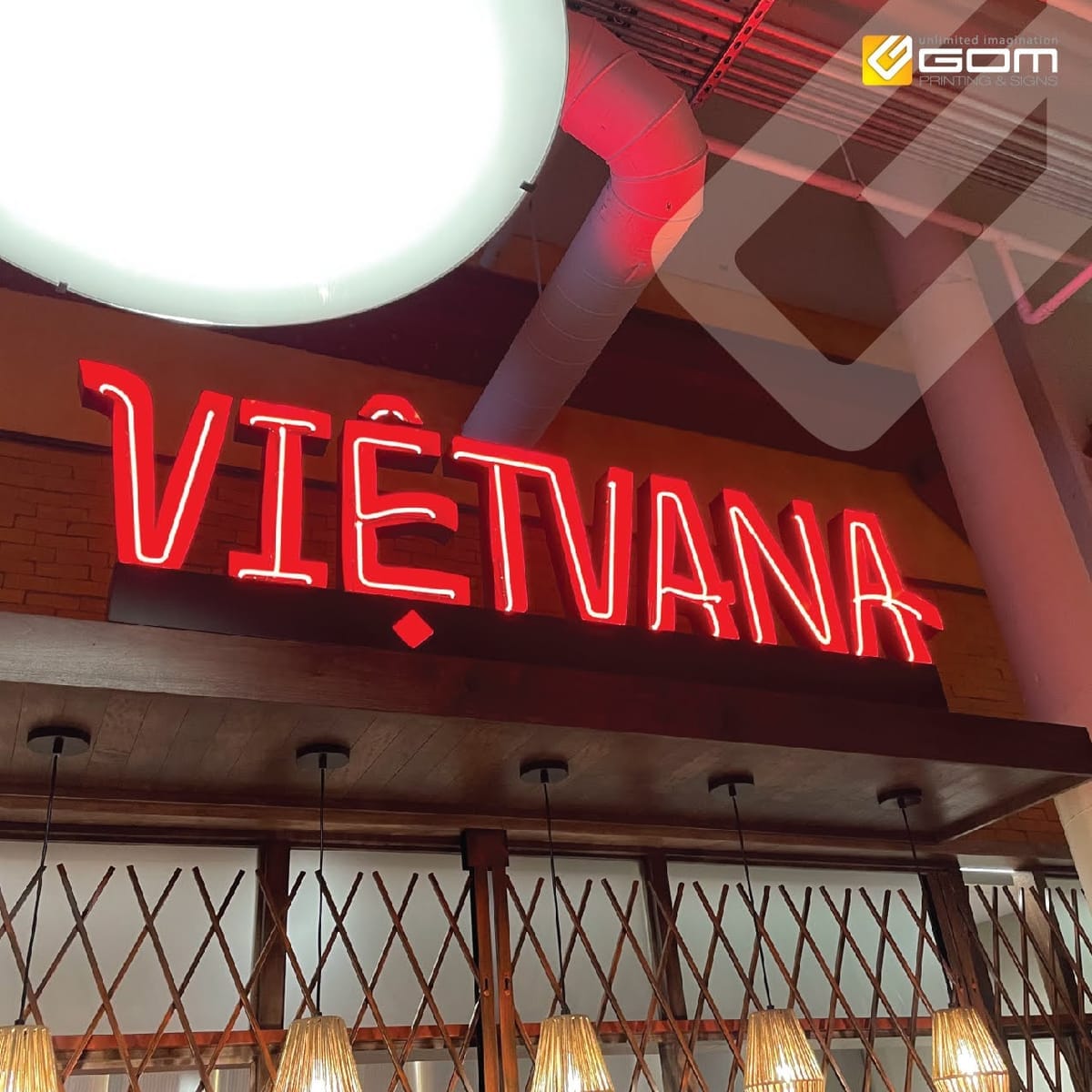
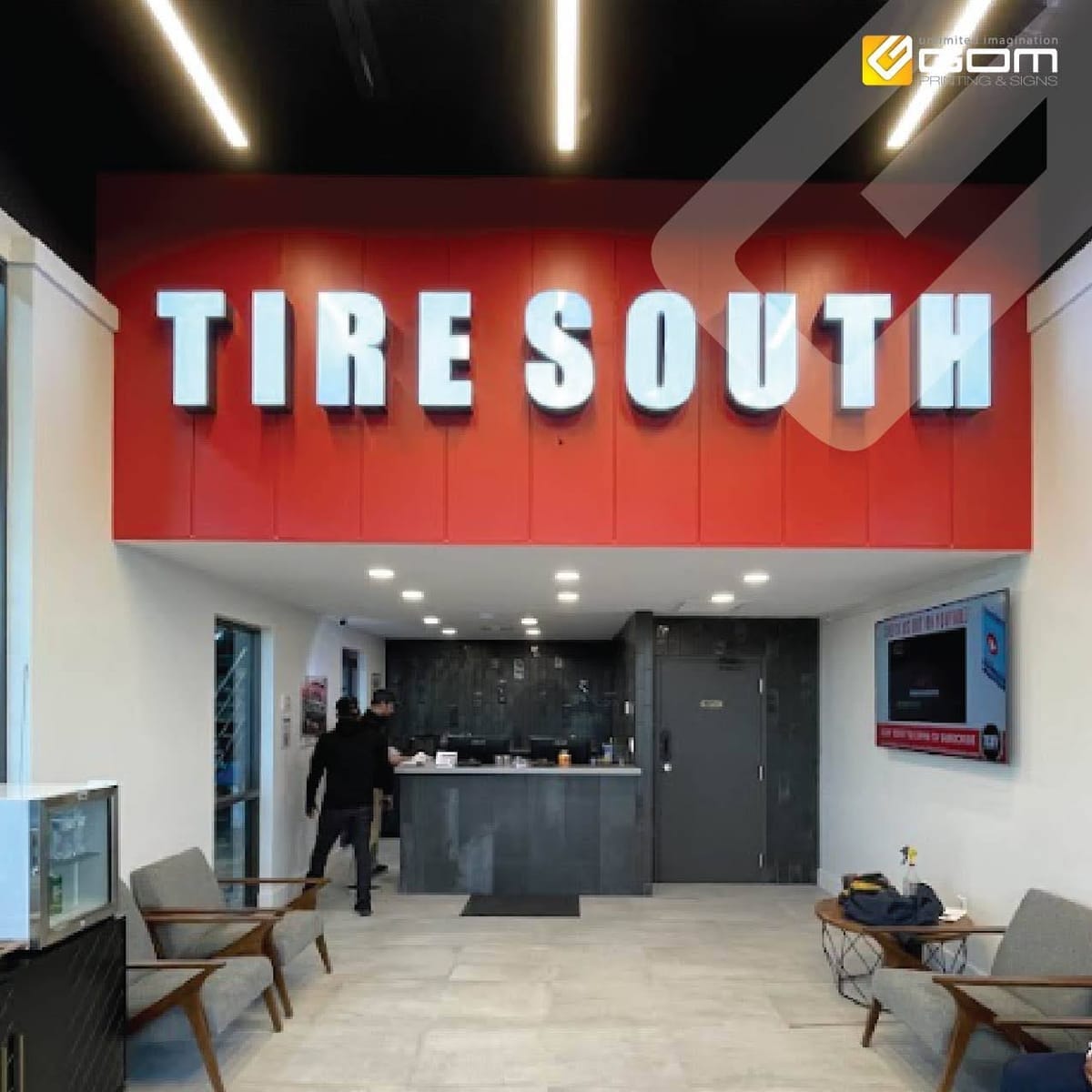
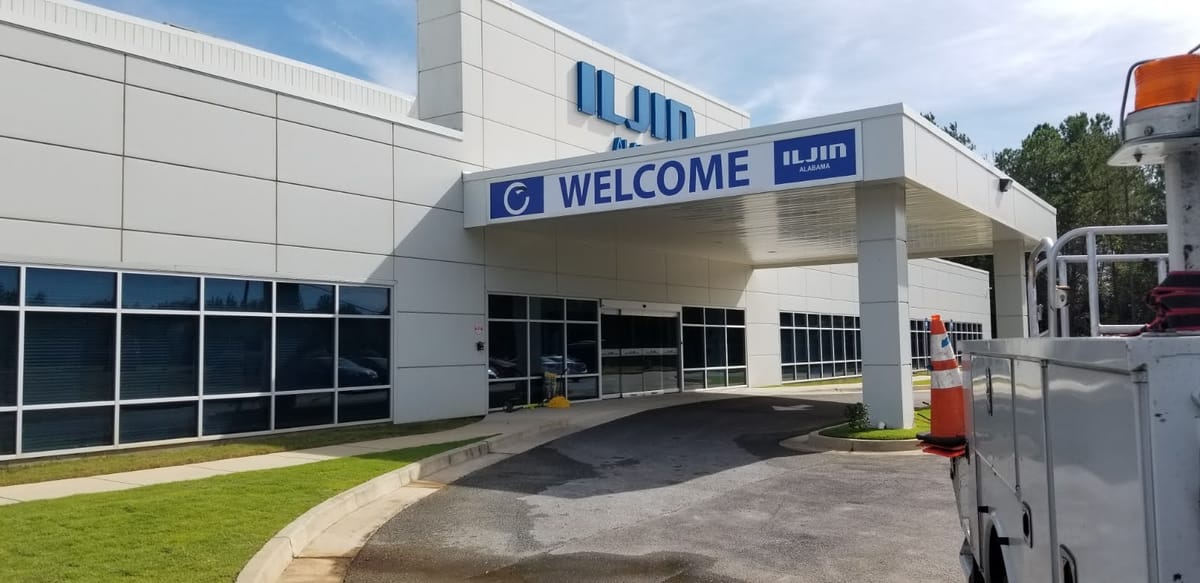
Front-lit letters are the most common style you will see on retail and restaurant storefronts. The face is translucent acrylic, usually colored or covered with vinyl, and the LEDs inside shine straight out through it. The returns and backs are solid aluminum, so the light only comes through the face.
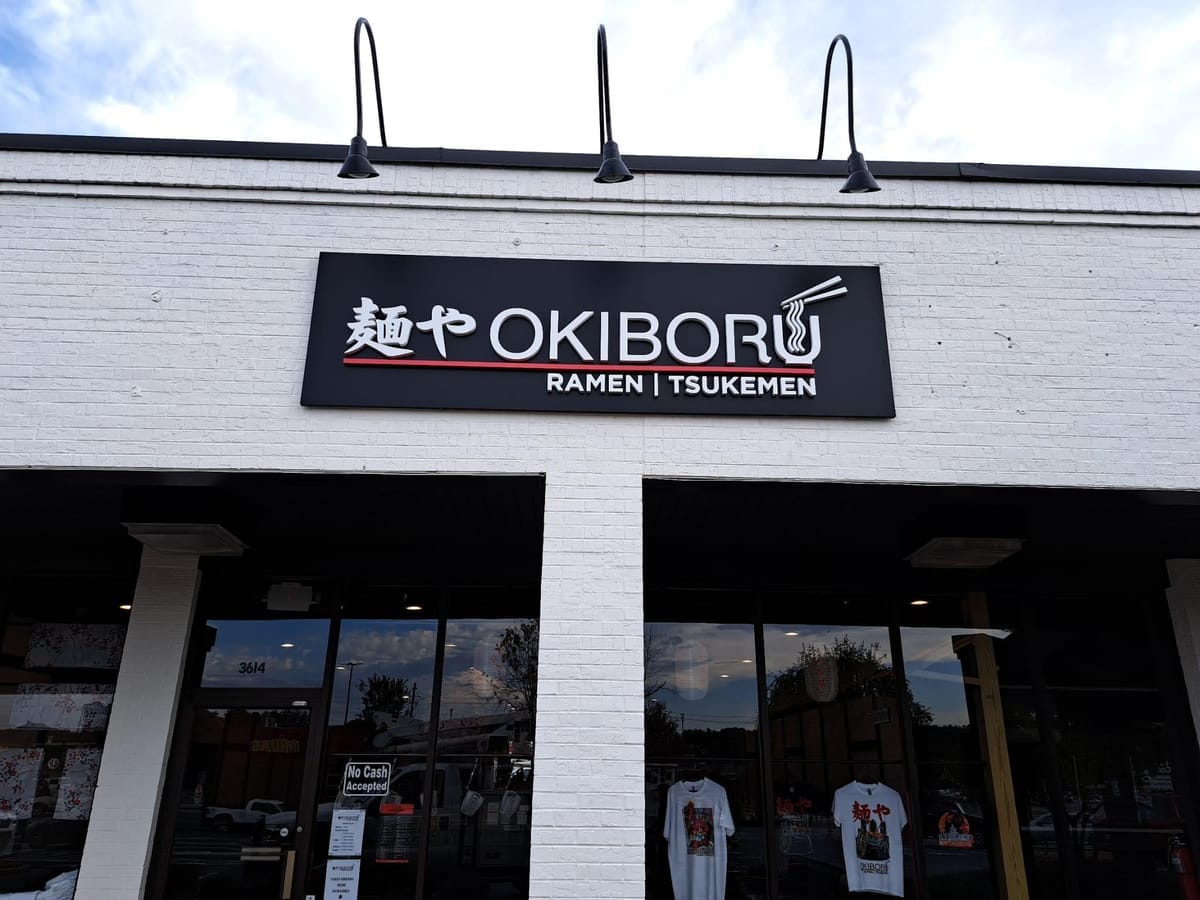
The strength of front-lit letters is readability. The whole face of each letter glows, so your name reads clearly from the road at night, even from a distance and at driving speed. Faces can be almost any color to match your brand, and the letters look crisp and bold during the day as well. If your storefront sits back from a busy road, faces a large parking lot, or needs to compete with neighbors in a strip center, front-lit is usually the workhorse choice.
The tradeoff is that front-lit letters have a more traditional, retail look. That is exactly right for most businesses, but some brands want something quieter.
Halo-Lit Channel Letters
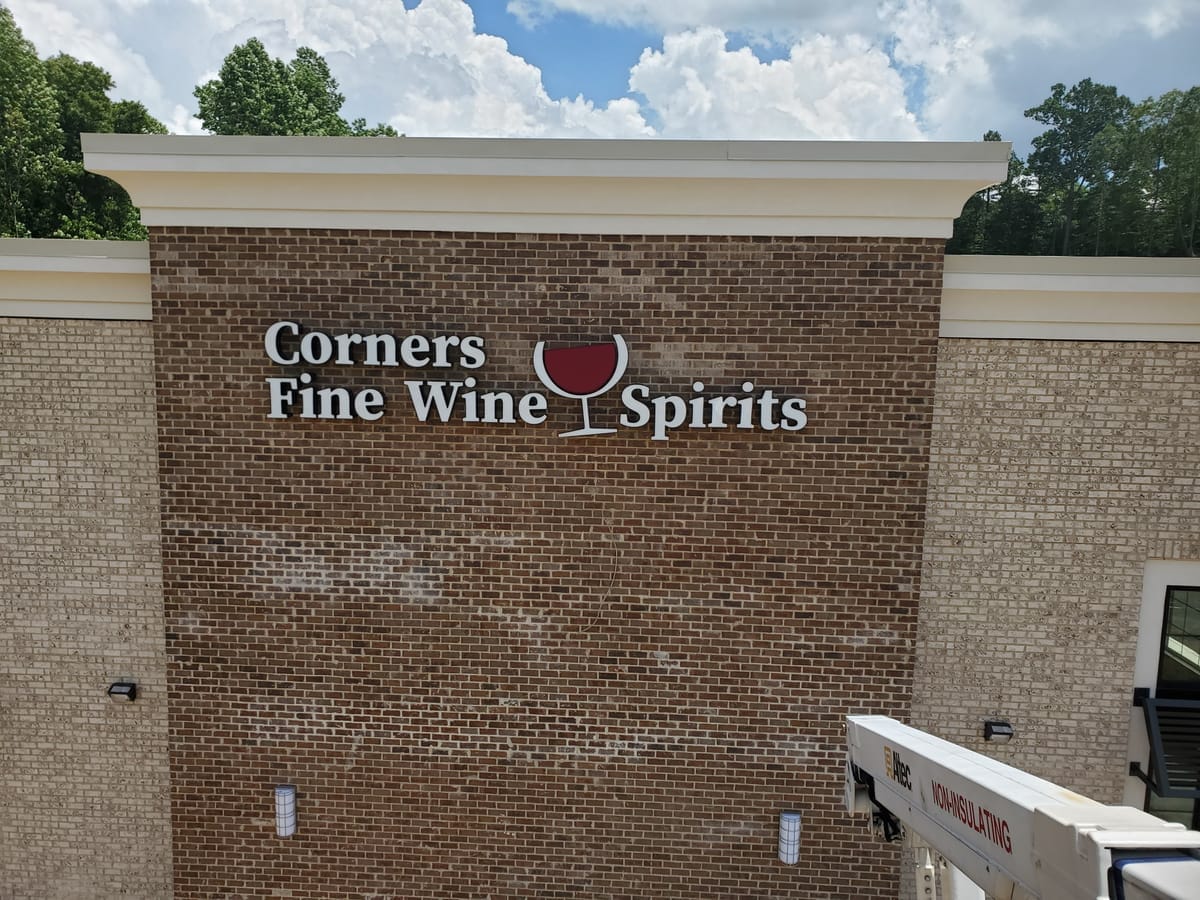
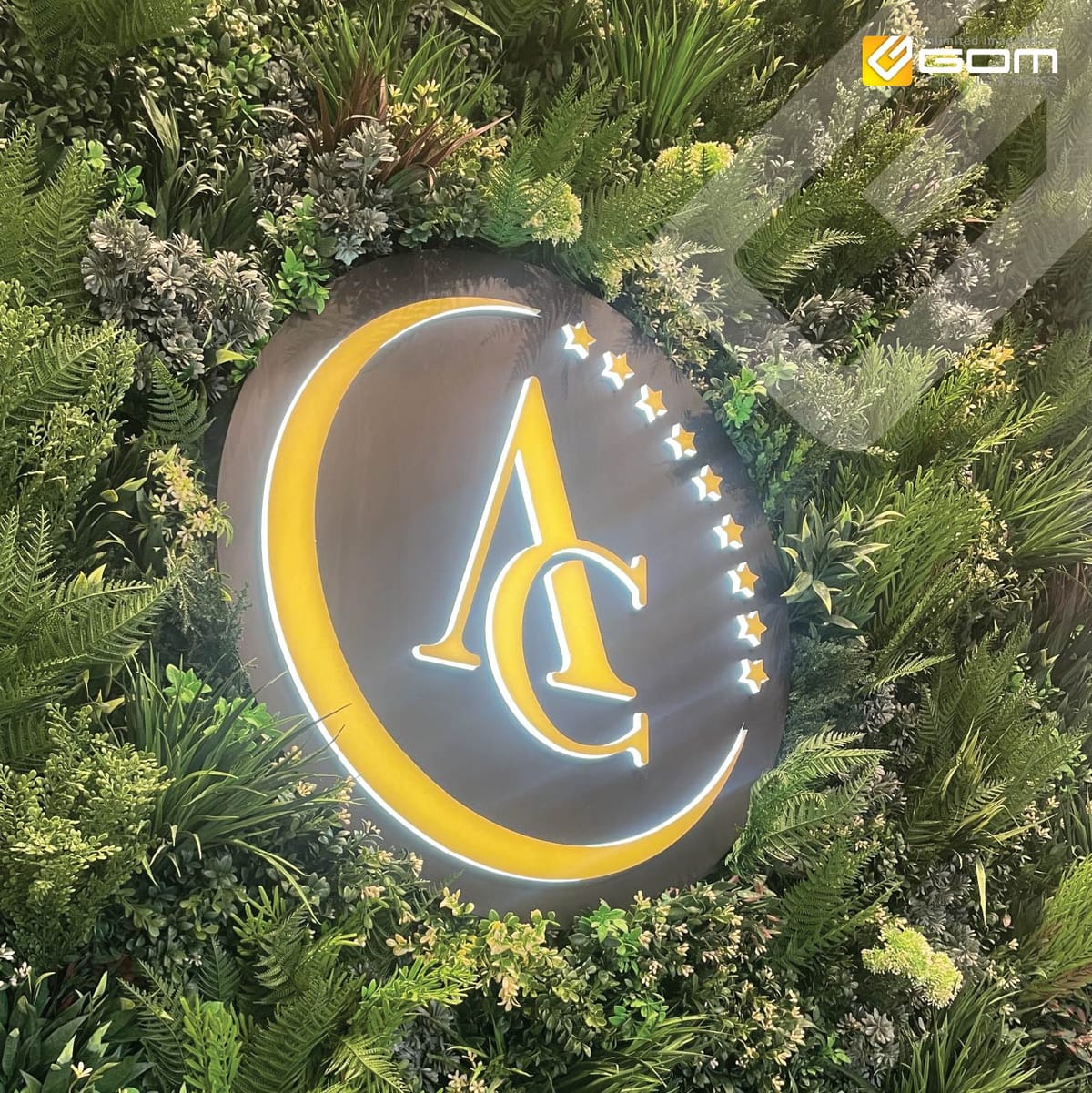
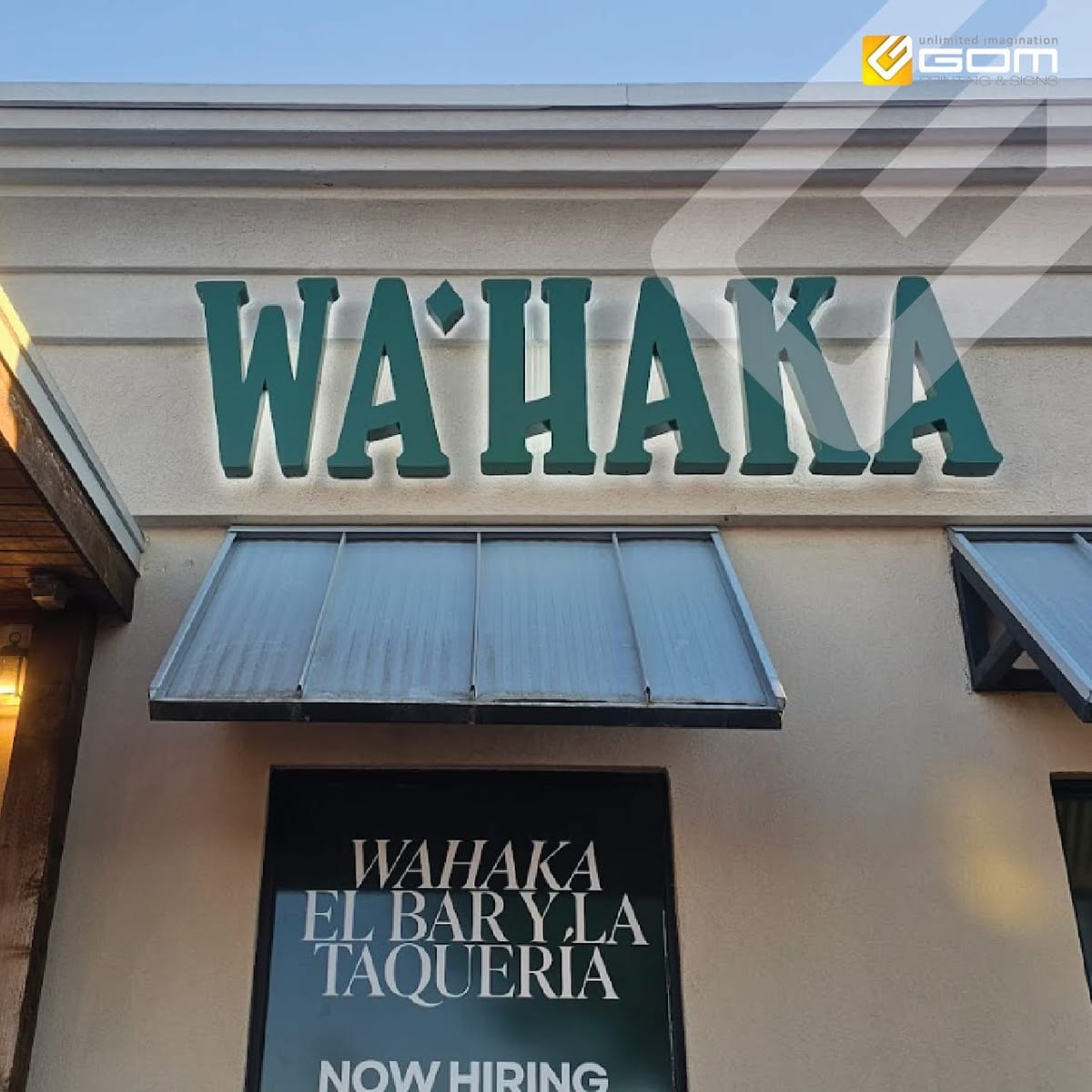
Halo-lit letters, also called reverse-lit, flip the idea around. The face and returns are opaque, typically aluminum that is painted or finished in metal, and the LEDs point backward toward the wall. The letters are mounted on standoffs a short distance off the building, so the light washes onto the wall behind them and creates a soft glow, or halo, around each letter's outline.
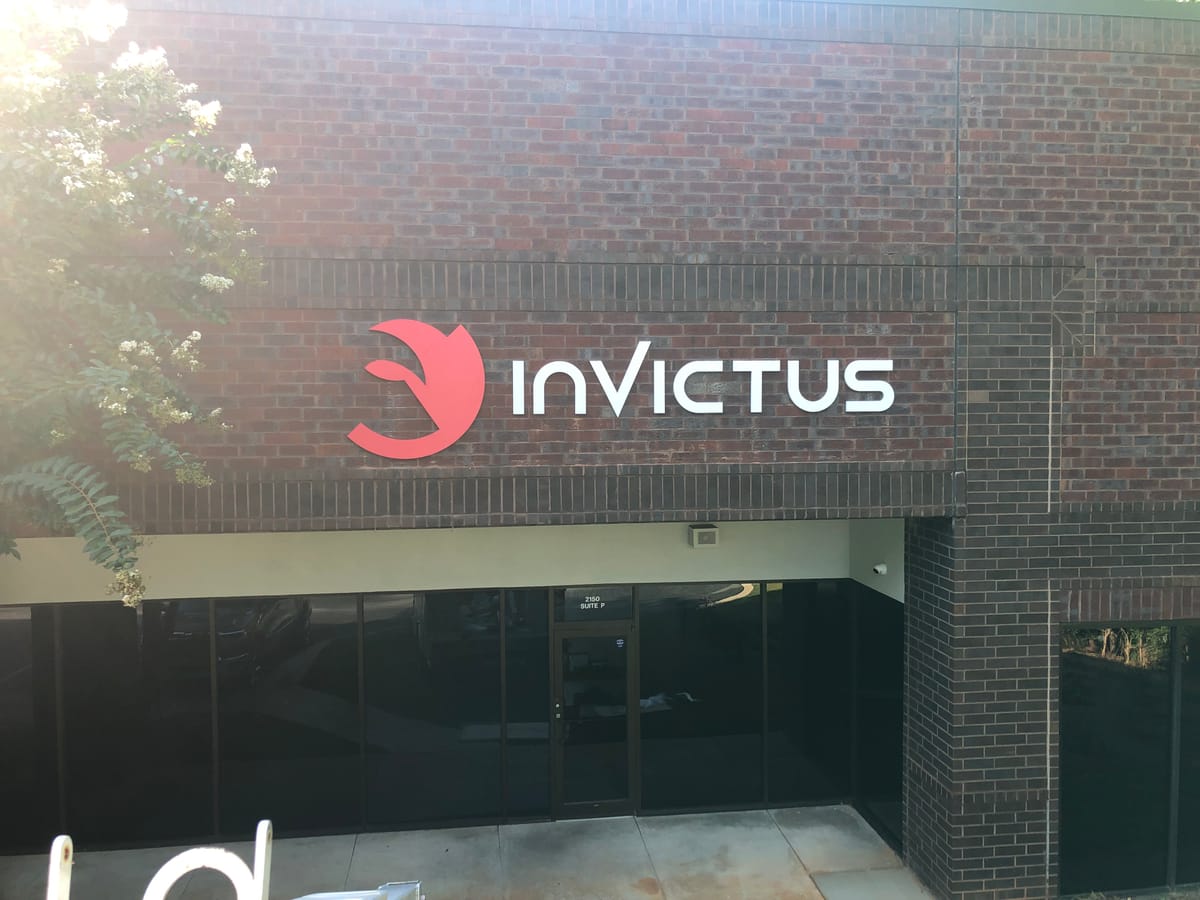
During the day, halo-lit letters look like solid, dimensional metal lettering, clean and architectural. At night, the letters themselves read as dark silhouettes framed by light. The effect is elegant and upscale, which is why halo-lit channel letters are popular with law firms, medical offices, salons, boutiques, upscale restaurants, corporate lobbies, and office buildings.
A few things matter more with halo lighting than with front-lit. The wall behind the letters becomes part of the sign, so a light-colored, smooth surface gives the cleanest halo, while very dark or heavily textured walls can swallow the effect. Letter style matters too: very thin fonts or tight script can lose definition at night because the light only outlines each shape. And because the faces do not glow, halo-lit letters generally read best at closer range, which makes them a strong fit for walkable areas, entrances, and building identity rather than signs that need to grab drivers from far down a highway.
Back-Lit Channel Letters (Combination Lighting)
The terms get used loosely in the industry, and you will sometimes hear back-lit used to mean the same thing as halo-lit. When we talk about back-lit options with customers, we are usually also talking about combination letters: letters with a translucent face that glows like front-lit and an open or clear back that throws a halo onto the wall at the same time.
Combination letters give you the best of both. The face reads clearly at a distance, and the halo adds depth and a more premium finish up close. They make a strong impression on a flagship location or a brand that wants to stand out after dark. The tradeoff is complexity: more lighting, more careful fabrication, and standoff mounting, which generally means more cost than a standard front-lit set. Whether that is worth it depends on your building, your brand, and how much of your traffic sees the sign at night.
How to Choose: The Questions That Matter
Instead of starting with which style looks coolest, start with how people will actually see your sign.
How far away is your audience? If most customers see you from a moving car across a parking lot, front-lit or combination letters will do the heavy lifting. If they see you on foot, from a sidewalk, or at a building entrance, halo-lit works beautifully.
What does your brand say? A family restaurant, a tire shop, and a dental practice all want to be seen, but they want to feel different. Bold colored faces say open and approachable. Brushed or painted metal with a soft halo says established and refined.
What is the wall behind the sign? Halo lighting depends on the surface behind it. Brick, stucco, EIFS, and metal panels all behave differently. A good sign company should look at your actual facade before recommending halo-lit letters.
What do the landlord and the code allow? Many shopping centers have sign criteria that specify letter type, colors, mounting method, and even lighting style. Some require front-lit letters on a raceway; others prefer or allow halo-lit. Local sign codes also regulate sign size, placement, and illumination. Checking this first saves you from falling in love with a design you are not allowed to build.
Permits and Approvals in Metro Atlanta
Every illuminated channel letter sign in Metro Atlanta needs a permit, and requirements vary from city to city and county to county. Norcross, Duluth, Doraville, and unincorporated Gwinnett can all ask for different things, and requirements also differ across Atlanta, DeKalb, Cobb, and Fulton. Most permit applications want a drawing of the sign, its size and placement on the building, and electrical details. Many leased properties also require landlord approval of the sign drawings before the city will review them.
We prepare and file permit applications for our customers and design to the applicable code from the first drawing, which helps avoid surprises. The final approval decision always belongs to the jurisdiction, but starting with a compliant design is the best way to keep your project moving. If you want the full picture, read our guide, The Sign Permit Process in Metro Atlanta - Explained, on our Insights page.
Channel Letters vs. Other Sign Types
If you are still deciding whether channel letters are right for you at all, the main alternative for storefronts is a lighted cabinet sign. Cabinets are a single box with a printed face, while channel letters are individual dimensional letters that usually look more custom and premium. We cover the differences in detail in our post Channel Letters vs. Cabinet Signs: Which One Is Right for Your Business?, also on our Insights page.
Why Working With One In-House Team Matters
Lighting style is not just a design choice on paper. It affects how the letters are built, how they are mounted, how the wiring is routed, and how the sign looks on your wall at 9 p.m. When the people designing your sign are the same people fabricating and installing it, those details stay connected. A halo-lit design gets standoffs and a wall check from day one. A front-lit set gets faces and colors that actually match your brand under LED light.
At GOM Signs, we design, build, and install channel letters in-house out of Norcross, serving businesses across Metro Atlanta and beyond. That means one team responsible for your sign from the first rendering to the final connection, with no handoffs between a designer, a fabricator, and an installer who have never talked to each other.
Get a Quote on Your Channel Letters
Not sure whether front-lit, halo-lit, or combination letters are right for your storefront? Send us a photo of your building, your logo, and your address. We will tell you what fits your facade, your brand, and the rules for your property, and turn around a quote in about 48 hours. Call us at 678.205.0408 or request a quote through our website, and we will help you get a sign that looks right day and night.